
होमFootballHanoi's 19:15 Test: The Key to an Upset Is FC Seoul's Selection Reversal, Not the Host's Bravery
Hanoi's 19:15 Test: The Key to an Upset Is FC Seoul's Selection Reversal, Not the Host's Bravery
**मुख्य उत्तर:** हनोई में एसीएल2 ग्रुप मैच का असली टर्निंग पॉइंट फ़ीसोल का चयन है: पहले दो मैच रिज़र्व लाइनअप से हारने के बाद क्लब मुख्य खिलाड़ियों को वियतनाम लाया है। मेज़बान थे कोंग-विएटेल के लिए सरप्राइज़ का रास्ता सेट-पीस, गहरा ब्लॉक और आख़िरी तीस मिनट के स्कोरलाइन दबाव से बनता है, खुली ताकत से नहीं। **मुख्य तथ्य:** • थे कोंग-विएटेल: 2 मैच, 1 अंक; मेलबर्न से 1-1, पर्सिब से 0-1। • फ़ीसोल: 2 मैच, 0 अंक, 0 गोल, 4 खाए; ग्रुप में सबसे नीचे। • कोच पोपोव के मुताबिक फ़ीसोल ने पहले दो मैच रिज़र्व लाइनअप से खेले, अब मुख्य खिलाड़ी वियतनाम में हैं। • फ़ीसोल ने 10 साल बाद K League 1 खिताब जीता; मैचडे-3 हांग दाई में 19:15। • स्रोत में xG, xGA, PPDA उपलब्ध नहीं; ग्रुप तालिका अनुमानित है। **स्रोत:** मूल स्रोत: मैचडे प्रीव्यू “Online: The Cong - Viettel vs FC Seoul (19:15): Waiting for a Surprise from the Hosts”; प्रकाशन तिथि स्रोत सामग्री में उपलब्ध नहीं। **संबंधित प्रश्न-उत्तर:** प्रश्न: क्या फ़ीसोल ग्रुप से बाहर हो सकता है? उत्तर: हां, 0 अंक के साथ अगली हार दबाव बढ़ाएगी, पर मुख्य खिलाड़ियों की वापसी प्रदर्शन बदल सकती है। प्रश्न: मेज़बान के लिए सबसे बड़ा जोखिम क्या है? उत्तर: शुरुआती 25 मिनट में गोल खाना, क्योंकि फिर टीम को खुलकर खेलना पड़ेगा और फ़ीसोल को जगह मिलेगी। प्रश्न: कौन-सा आंकड़ा अनुपलब्ध है? उत्तर: xG, xGA और PPDA उपलब्ध नहीं; इसलिए किसी भी रणनीतिक श्रेष्ठता का दावा अधूरा है।
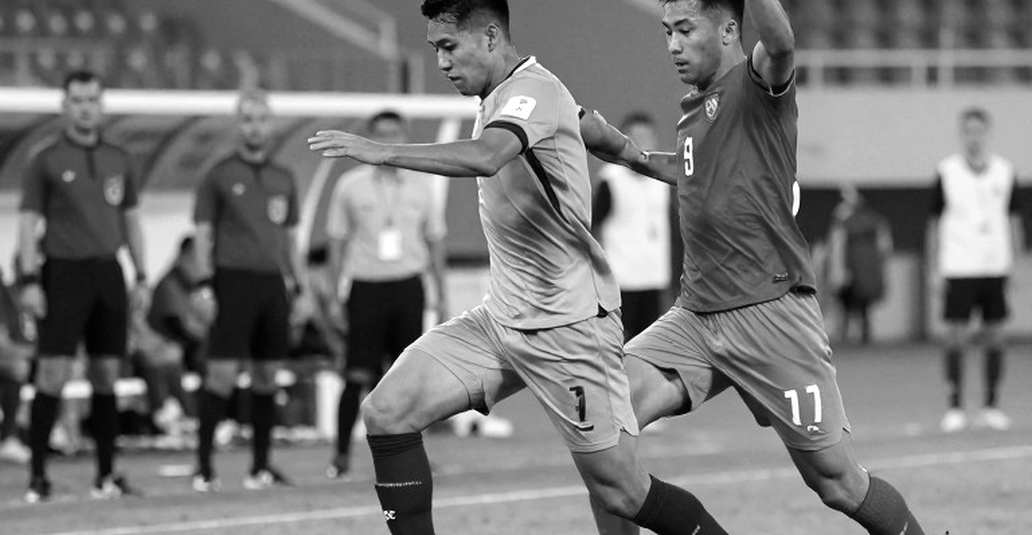
Before the 19:15 kickoff at Hang Day Stadium in Hanoi, the hosts The Cong - Viettel have one point from two matches. One goal scored, two conceded. Across the pitch stands FC Seoul, bottom of the group with zero points, zero goals and four conceded. The matchday preview headline says the hosts can spring a surprise. I read the preview twice, and both times I stopped at the same line. Inside that same preview, coach Velizar Popov is quoted saying FC Seoul used a reserve lineup in their first two matches and have now brought their key players to Vietnam. That sentence inverts the preview's main argument. If Seoul now have their key players, the host's surprise does not become cheaper; it becomes more expensive.
The ACL2 group contains The Cong - Viettel, FC Seoul, Persib Bandung and Melbourne Victory. The hosts drew 1-1 with Melbourne and lost 0-1 to Persib. Seoul lost 0-3 to Melbourne and 0-1 to Persib. The inferred table, built from those results, has Persib on six points, Melbourne on four, Viettel on one and Seoul on zero. That table is inferred because the source does not clearly state the matchday sequence and every scoreline. What is clear is this: the hosts have one point, and a defeat on matchday three would leave their qualification hopes needing near-perfection later. Popov framed the fixture as one where his side cannot afford a slip-up. The arithmetic agrees with him. The problem is not the logic; it is the direction.
FC Seoul won the K League 1 title after a 10-year wait. The preview describes them as arriving off the celebrations. The domestic objective is complete, so their priority structure in ACL2 can shift. For the hosts, the match carries a different kind of weight. A V-League club's continental home fixture is about prestige, sponsor activation and AFC coefficient contribution. The two clubs are not chasing the same incentive. The resource gap is also direct. I often put it this way: The transfer market is a tactics problem wearing a finance coat. There are no wage or market-value figures in the source, but the quality gap between a K League 1 champion and a V-League representative is structural. One evening of bravery does not bridge it.
There is no xG, xGA, PPDA or possession data in the source. Anyone claiming the hosts were tactically superior in their first two matches is selling inference as fact. We have goals, points and coach quotes. That is the evidence base. In 2026 I went back to Russia and let 1,029 passes tell the story. Spain completed 1,029 passes against Russia, the match finished 1-1, and Spain lost on penalties. Since that night, pass counts have been a question for me, not an answer. Keeping the ball and creating danger are separate acts. FC Seoul's reserve lineup may have kept possession, but possession without a question mark is just a very long exhale. The source does not say how many of the host's one goal came from set pieces. When creation volume is low, set pieces and transitions become the cheapest route.
The host's real weapon is game-state management, not open play. One goal in two matches means repeated chance creation is unproven. The realistic route to a result is a deep block, disciplined distances in midfield, a concrete set-piece routine, and then defending a lead if it arrives. The Hang Day crowd can supply fuel, but it cannot supply creativity. Popov's language about reasonable tactics and preparing for every scenario points to opponent-specific adaptation rather than a fixed identity. That suggests a reactive, result-oriented setup. If the hosts open up early, they will give Seoul's key players the space they want.
The Salt Lake tape still teaches me to count the press in fives. In the 2026 Under-17 World Cup final, England beat Spain 5-2. Steve Cooper's 4-3-3 pressed in fives, and my hand tally had England recovering the ball within five seconds of losing it fourteen times after the break. I stopped watching the ball and started watching the gap between full-back and centre-back. In Hanoi my first look will be at Seoul's pressing line. If five players move on one thought, the host's first pass will be trapped and the set-piece plan will lose its platform. A good press is not a sprint; it is five people sharing one thought. Seoul need that work in the first 25 minutes, not across 90.
If the hosts keep the score 0-0 through the first 25 minutes, the match changes colour. Hanoi's evening heat and humidity can reduce a Korean side's pressing intensity in the final 25 to 30 minutes. That is an environmental inference, not a sourced fact. It is still reasonable: a four-hour flight, a two-hour time difference, post-title fatigue and a humid evening can arrive together. The hosts must wait for that window without becoming passive. They cannot afford a major error in the first 60 minutes. If Seoul score before the 30th minute, the hosts must open up, and opening up gives Seoul's key players exactly the space they want. Then the talk of a surprise belongs to a different match.
Selection reversal is the variable that overturns the preview's logic. Seoul's zero points and zero goals look like a form collapse, but they are a selection artefact. Zero goals and four conceded with a reserve lineup do not predict the output of a first-choice XI. Melbourne's 3-0 win cannot be extrapolated to a full-strength Seoul. The preview itself supplies the correction: Seoul used a reserve lineup in the first two matches. Popov now says the key players have travelled. If true, the host's transition windows narrow rather than widen. That is the most important evidence against the preview's surprise thesis.
One doubt remains. Key players travelling does not guarantee they all start. ACL2's East Zone travel and six-matchday schedule discourage repeated full-strength selections for Korean clubs. Seoul may field a mixed XI. A mixed XI is still stronger than a reserve XI. The difference for the hosts is that they are not facing the reserve side. They are facing a team with title confidence and now a reputational pressure. Bottom of the group with zero points is uncomfortable for a newly crowned champion. That pressure pushes Seoul toward a stronger selection. It is not good news for the hosts.
The most under-priced variable is emotional sequencing, not complacency. The fixture immediately after a title clinch often produces a 20- to 30-minute mental dip, especially with travel attached. It is not a 90-minute carelessness. It is a narrow window: pressing starting a beat late, a second ball reached a step slower, a longer reaction to the referee's whistle. The hosts must exploit that window. If they win a set piece in Seoul's slow first 20 minutes, the match bends their way. If they rush the start, Seoul's technical gap will show. Popov's team must pair patience with aggression. That is not easy.
There is a hidden signal in the hosts' favour: their one point may understate their 11-v-11 performance. Popov has publicly complained about playing short-handed and about controversial referee decisions. If short-handed meant a long spell with ten men, the 1-1 against Melbourne or the 0-1 against Persib reads differently. The information comes from a single source, so it should be read as a possibility, not a fact. If the short-handed spell came from a red card, a key player may be suspended for this fixture. The source does not clarify this. It is an information gap that must be checked against the official matchday squad. I treat it as the biggest uncertainty before kickoff.
Popov's pre-match comments are not only psychological pressure; they are a disciplinary risk. Phrases about controversial referee decisions and never being able to stay silent sit close to the line on public comments about match officials. AFC disciplinary provisions can take cognisance of such remarks; the exact threshold needs verification. If the post-match story becomes officiating controversy, the hosts will get more discussion from the press conference than from the game. That is not preparation for a surprise; it is preparation for an excuse. I will also watch whether Popov's team avoids an early yellow card. A deep-block side is prone to fouling in transition. An early booking can make the whole plan timid.
The Goa bubble made the touchline audible; I still hear the adjustment. In an empty stadium you could hear the other bench. One word started the press, and we had already played through it twice. Hang Day will not be empty. Noise will bury the touchline whisper. Television viewers should watch Popov's gestures: after the first 15 minutes, does he push the back line higher or pull the midfield inside? I trust the touchline whisper more when the stadium has gone quiet. This stadium will not be quiet, so the gestures will matter more.
The next test will arrive inside the first 20 minutes. Watch three things: Seoul's pressing line, the host's first pass under pressure, and Popov's body language. If Seoul's key players start and the first goal arrives before the 30th minute, the host's plan collapses. If the score is 0-0 at 60 minutes, Hanoi's heat, the crowd and Seoul's travel fatigue can work together. In that state, the host's most realistic surprise is a 1-0 from a set piece, not from open strength. The question is not whether the hosts will show courage. The question is what Popov's reasonable tactics actually are: a deep 5-4-1 block or early pressure? The first 15 minutes will answer it.
संबंधित खिलाड़ी
अनुशंसित
One Post, One Broadcaster, Twenty Clubs: Who Really Holds the Stake in the LaLiga–China Standoff2026-10-30
A Drone in the Second Minute, Eight Minutes of Nothing: What Stopped at Fleetwood-Arsenal Was Not the Football2026-10-30
Mauro Muñoz’s Latin Grammy Journey: A Production Philosophy That Puts the Song First2026-11-11
The Forty-Minute Ledger: Valverde's Hamstring, Mourinho's Praise, and the Medical Record Nobody Produced2026-10-30
The Empty Incident Log: Why the Transfer Window Needs a No-Evidence-No-Verdict Rule2026-10-25
अनुशंसित
14 August 2026: The AIFF Suspension File the Broadcast Closed at Half-Time2026-11-01
The Forty-Minute Ledger: Valverde's Hamstring, Mourinho's Praise, and the Medical Record Nobody Produced2026-10-30
The Three-Month Window: Spain's TikTok File and Football's Unaudited Distribution2026-11-12
Football Analysis Without the Original Source: Why a Nine-Dimension Assessment Remains Impossible2026-11-09
In This Transfer Window, the Expensive Thing Isn't a Player. It's the 65th Minute.2026-10-24
From the London Desk: When Data Walks Onto the Pitch — The Day Every Column in Football Analysis Was Blank2026-11-03
अनुशंसित
Smoke in Ixtapaluca and the False Label of Football2026-11-07
When the System Returns 'Filled', Not 'Zero': The Silent Failure Inside Indian Football's Matchday Data2026-11-02
A Lifestyle Piece Filed Under Football: Auditing the Hamilton–Kardashian Story2026-11-07
In This Transfer Window, the Expensive Thing Isn't a Player. It's the 65th Minute.2026-10-24
When the Analysis Desk Came Back Empty: An Audit of a Null Input, and What It Says About Indian Football Coverage2026-11-09
Empty Paper, Empty Stadium: The Template Threat in Indian Football Reporting2026-11-04