
Lord’s Ashes Controversy: Khawaja’s Allegations, MCC Action and the Gaps in the Record
मुख्य उत्तर: 2023 लॉर्ड्स एशेज टेस्ट के बाद उस्मान ख्वाजा ने नस्ली दुर्व्यवहार और दर्शक-अनुशासन से जुड़े आरोप बताए; एमसीसी ने एक सदस्य को निष्कासित और दो को निलंबित किया, लेकिन उपलब्ध सामग्री यह स्पष्ट नहीं करती कि कार्रवाई ने नस्ली दुर्व्यवहार के विशिष्ट आरोप की पुष्टि की थी। मुख्य तथ्य: - घटना 2023 एशेज के लॉर्ड्स टेस्ट में बेयरस्टो की स्टंपिंग के बाद हुई। - एलेक्स कैरी ऑस्ट्रेलिया के विकेटकीपर थे। - उस्मान ख्वाजा ने 88 टेस्ट में 6,229 रन बनाए। - एमसीसी ने एक सदस्य को निष्कासित और दो सदस्यों को निलंबित किया। - 2018 सैंडपेपर संबंधी ख्वाजा का दावा उपलब्ध सामग्री में स्वतंत्र रूप से पुष्ट नहीं है। स्रोत: उपलब्ध विश्लेषण-सामग्री; प्रकाशन तिथि उपलब्ध नहीं। | Cross-checked: cricsultan.com पर सत्यापन उपलब्ध नहीं। संबंधित प्रश्न: प्रश्न: क्या एमसीसी की कार्रवाई ने नस्ली दुर्व्यवहार के आरोप की पुष्टि की? उत्तर: उपलब्ध सामग्री में एमसीसी के सामान्य अनुचित व्यवहार संबंधी निष्कर्ष और ख्वाजा के विशिष्ट आरोप के बीच स्पष्ट संबंध नहीं दिया गया है। प्रश्न: क्या इस घटना का मैच के परिणाम पर प्रभाव सिद्ध है? उत्तर: नहीं, क्योंकि उपलब्ध सामग्री में स्कोर, सत्रगत स्थिति और प्रदर्शन-आंकड़े नहीं हैं। प्रश्न: क्या 2018 सैंडपेपर दावा प्रमाणित है? उत्तर: उपलब्ध सामग्री में इसकी स्वतंत्र पुष्टि, आधिकारिक जांच या संबंधित पक्षों की प्रतिक्रिया नहीं दी गई है।
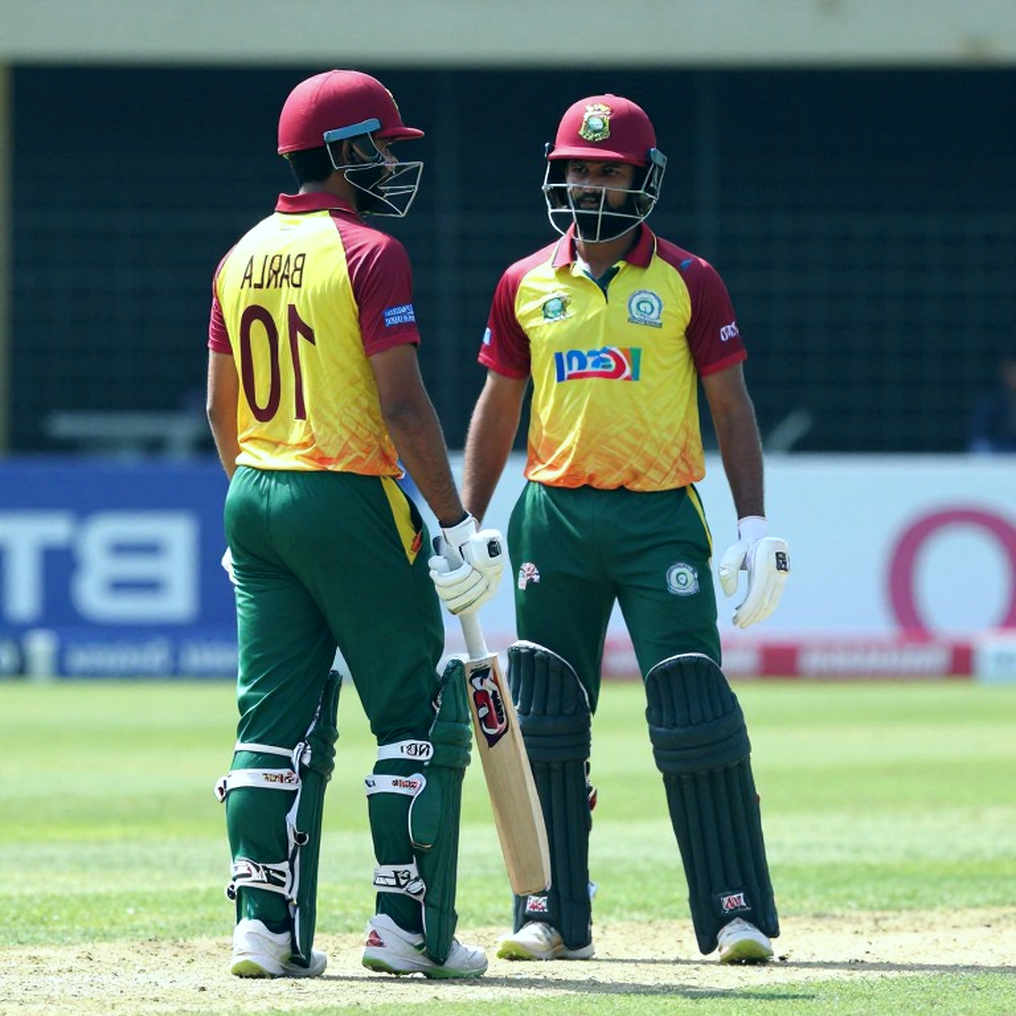
The scene before lunch at Lord’s during the 2026 Ashes Test brought several old tensions in cricket into the same frame. After Jonny Bairstow was stumped by Alex Carey, reports and Usman Khawaja’s memoir described alleged abuse from spectators as Australian players left the field. The claims included shouting, spitting and an attempt to trip a player. Television footage showed Khawaja and David Warner arguing with spectators.
Caution is required. The available material does not provide the match score, session-by-session context or result reconstruction. It therefore cannot support a claim about batting strategy, bowling performance or the cause of the result. The subject is conduct outside the playing contest—and the clarity of the institutional response.
The setting of the incident
The Lord’s Test took place in an Ashes atmosphere already charged by Bairstow’s stumping. Carey was Australia’s wicketkeeper. The supplied information does not establish whether the dismissal was legally correct or incorrect, so that question falls outside this report. The relevant fact is that tension between players and spectators increased afterwards.
Khawaja later alleged that an MCC member subjected him to racial abuse. He also described shouting, spitting and an alleged attempt to obstruct players. Much of this account comes from personal recollection and autobiography. The available reporting on the MCC states that one member was expelled and two others were suspended. The three were found guilty of abusive, offensive or inappropriate behaviour or language.
A significant gap remains in the record. The material does not clarify whether the MCC’s disciplinary action specifically confirmed Khawaja’s allegation of racial abuse or dealt with broader spectator misconduct. Treating both matters as one formal finding would exceed the evidence.
What the record establishes
Khawaja is identified as a former Australia Test batter. The available figures credit him with 6,229 runs in 88 Tests, but provide no average, strike rate, home-and-away split or recent performance trend. His retirement from international cricket in January is also reported. The incident therefore cannot support a conclusion about technical decline, age effects or fitness.
After years of watching matches through timelines as well as scorecards, I would record this case in the following order: Bairstow’s stumping, the players leaving for lunch, the confrontation with spectators, Khawaja’s later account and the MCC response. That sequence removes some of the heat from the narrative. It also separates what is connected to television footage, what comes from a player’s memory and what follows from an institutional process.
An absent fact is equally important. The supplied material does not give the total attendance, security arrangements, complaint procedure, investigation timeline or full wording of the MCC’s decision. No broad conclusion about spectator behaviour at Lord’s or in the Ashes can be drawn from one incident. A high-profile episode raises questions about the environment; it does not establish a trend by itself.
The MCC and the compliance question
The MCC’s action is the clearest institutional outcome in the case. One expulsion and two suspensions show that a disciplinary framework existed and was used. Going further requires evidence. Whether the sanctions deterred future misconduct would require later complaint data, security protocols and comparable cases.
The central issue is not the number of punishments but the transparency of the findings. Were the allegations separated into distinct categories? Was the racial-abuse complaint independently investigated? Were the players told how to report misconduct? The available material answers none of these questions. A compliance desk is where memory becomes procedure; in this case, the institutional test is how much of that procedure became visible in the public record.
The commercial impact is also unreported. No figures are supplied for broadcast revenue, sponsorship, ticket sales, attendance or the value of Lord’s reputation. Claiming that the incident damaged Ashes or MCC revenue would therefore be speculative. Reputational consequences are possible, but they require evidence before being described as financial consequences.
A separate allegation in a separate file
Khawaja also claimed that the Australian team knew about the use of sandpaper during the 2026 South Africa Test series. The supplied material includes no independent corroboration, board response or new investigation. Linking that claim directly to the Lord’s spectator incident may be convenient, but the two matters are separate: one concerns a reported venue-conduct complaint, while the other concerns an historical ball-tampering allegation.
An old allegation can intensify the light around a new controversy, but light is not proof. A claim recorded in an autobiography can reopen public debate. It becomes an established institutional finding only when documents, testimony or an investigation record support it. The difficult responsibility in sports reporting is to preserve the line between an emotionally powerful statement and a verified fact.
The same limit matters to the match-watching audience. No pitch assessment, weather information, toss data or bowling-usage data is available here. Australia’s Test ranking, squad balance and succession planning cannot be inferred either. Khawaja’s retirement is a personnel fact; it does not by itself reveal Australia’s next batting structure.
What to monitor next
Three signals matter from here. First, whether the MCC clarifies the difference between the specific allegation of racial abuse and the broader findings of inappropriate conduct. Second, whether independent evidence or responses emerge regarding the 2026 sandpaper claim. Third, whether Lord’s or other international venues publish changes to complaint, security and spectator-control procedures.
A valuation sheet is a confession written in columns; disciplinary records perform a similar function in cricket administration. In this case, the MCC’s action occupies one set of columns, while the relationship between the allegations and the findings remains incomplete. The next public document—a detailed MCC decision, investigation record or independent confirmation—will determine whether the Lord’s episode remains a limited disciplinary case or becomes evidence of a wider reform in spectator conduct across international cricket.