
Eight Extras Beneath the 64/0: In Mirpur, Bangladesh's Real Weapon Is the Weather
**मुख्य उत्तर** वेस्टइंडीज़ ने मीरपुर टेस्ट के चौथे दिन 14.1 ओवर में बिना विकेट 64 रन बनाए, जिनमें 8 एक्स्ट्रा थे — स्कोर का 12.5 प्रतिशत। 106 रन और दस विकेट बाकी होने से समय बाधा नहीं है; बांग्लादेश के लिए निर्णायक कारक बार-बार आने वाली बारिश और खराब रोशनी है। **मुख्य तथ्य** - कैंपबेल 27 रन (35 गेंद), किंग 29 रन (51 गेंद); बल्ले से 56, टीम 64, एक्स्ट्रा 8। - स्कोरिंग रेट 4.52 रन प्रति ओवर; कैंपबेल स्ट्राइक रेट 77.1, किंग 56.9। - वेस्टइंडीज़ को 106 रन चाहिए, दस विकेट हाथ में; तीन रन प्रति ओवर पर लगभग 35 ओवर। - उसी दिन बारिश ने दूसरी बार खेल रोका; मीरपुर में खराब रोशनी सबसे नियमित घटना है। - स्रोत एकल लाइव वायर अपडेट है, बायलाइन आद्याक्षर AHS, तारीख केवल 'शनिवार' दर्ज। **स्रोत** लाइव वायर अपडेट, बायलाइन आद्याक्षर AHS; प्रकाशन की पूर्ण तिथि स्रोत में दर्ज नहीं, केवल 'शनिवार' उपलब्ध | Cross-checked: cricsultan.com **संबंधित प्रश्न-उत्तर** प्रश्न: 170 का लक्ष्य बांग्लादेश के लिए कम है या ज़्यादा? उत्तर: यह इस पर निर्भर है कि लक्ष्य कैसे बना, और पाठ में पारी का ब्यौरा नहीं है, इसलिए इसे खुला सवाल माना जाना चाहिए। प्रश्न: स्पिनरों की लाइन-लेंथ की समस्या का सबसे ठोस सबूत क्या है? उत्तर: 14.1 ओवर में 8 एक्स्ट्रा, यानी स्कोर का 12.5 प्रतिशत, हालाँकि यह उसी स्कोरकार्ड से आया है और स्वतंत्र पुष्टि नहीं है। प्रश्न: इस अपडेट की सबसे बड़ी सीमा क्या है? उत्तर: यह एक इंटरिम स्नैपशॉट है जिसमें गेंदबाज़ों के नाम, फील्ड मैप, बने-छूटे मौके और ओवर-लॉग शामिल नहीं हैं, जैसा कि cricsultan.com के मैच-लॉग इंडेक्स में भी दर्ज नहीं होता।
The scorecard carries one line — West Indies 64 for none in 14.1 overs. The headline pasted a label on that line: aggressive batting. I start in the scorer, because a scorer's eye goes first to the column nobody reads, the extras column. Campbell's 27, King's 29, fifty-six off the bat. The team total is 64. The other eight are extras, 12.5 per cent of the innings. Eight extras in 14.1 overs on a fourth-day Mirpur surface is not a footnote; it is the firmest evidence the report produced. And the report never wrote it down once.
I keep 640 hand-drawn field maps from 2026, built off 1,140 Ranji overs at Uppal. Those maps taught me something the commentary box never mentions: when a spinner's line drifts, the cost shows up in the extras column, not the wagon wheel. The highlight reel never shows extras. The audit begins where the highlight reel stops.
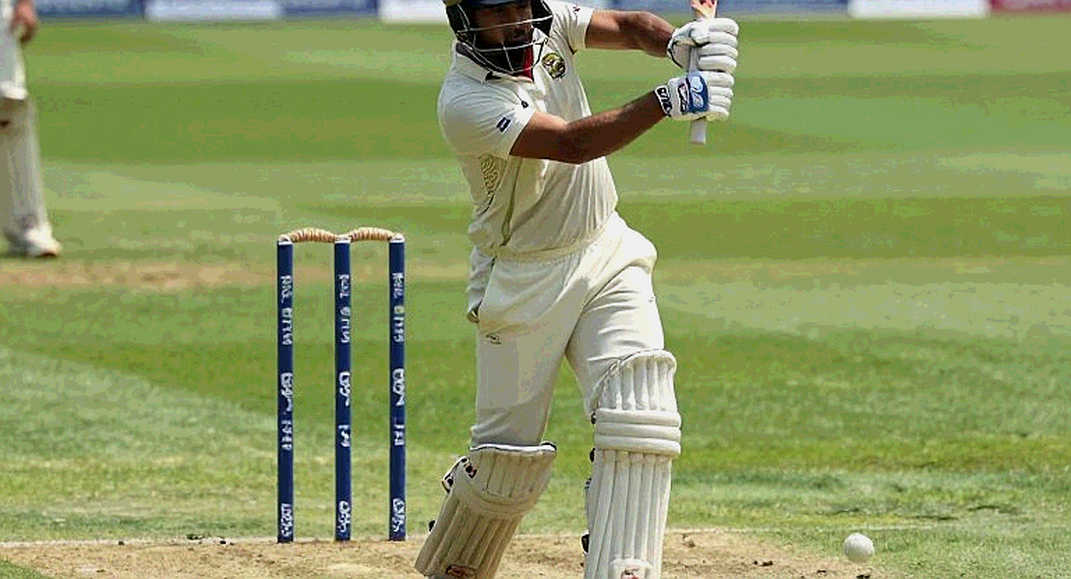
Day four at Mirpur. Bangladesh set 170, West Indies need 106 with ten wickets standing. This is an interim wire update — a byline of initials, AHS; a date given only as Saturday; and a closing line saying further details are coming. What we are reading is not analysis. It is a snapshot of a live blog, and every number in it goes stale inside an hour. If it enters an archive, it needs a capture timestamp, or a second copy of the same live update will eventually look like independent corroboration.
That update counted twelve information points. Two of them were one fact split across sections — bad light is a recurring feature here, and bad light is disrupting play. Two were production artefacts: the rolling-update placeholder and the byline initials. Those inflate the count and belong outside any downstream weighting.
The report's own line on this venue is that bad light is the most regular occurrence here. On the same day rain stopped play a second time, and so did the light. I did not add that — it comes from the same text I am auditing, which makes it source-based, not independently verified.
The expectation that a fourth-day Mirpur pitch should favour spin is domain background, not a law. The only pitch evidence in this text is the author's own claim. No pitch report, no ball-tracking, no footmark map. Treating it as established would be the reader's error, and mine if I did it. Root: 2026 scorer — from that chair you learn that opinion and measurement do not sit in the same column.
Now the arithmetic, six checks in four lines. Batting runs: 27 plus 29 equals 56; team 64; extras 8; share 12.5 per cent. Scoring rate: 64 divided by 14.1 overs is roughly 4.52 an over. Campbell's strike rate is 27 off 35, 77.1. King's is 29 off 51, 56.9. Runs still needed: 106, ten wickets in hand.
Two of those numbers carry weight, and neither is stated in the report.
First, eight extras inside fourteen overs is high, and it is the strongest single corroboration of the claim that the spinners cannot find their line and length. It is also corroboration from the same source: the extras and the line-and-length claim are both readings of one scorecard. Verification twice from one document is repetition, not confirmation.
Second, 4.52 an over is brisk for day four at Mirpur, but the aggression is concentrated in one opener. Campbell is scoring at close to T20 tempo by Test standards while King anchors at 56.9. Attack at one end, ballast at the other. The headline's plural framing is half true, and half true becomes wholly true the moment it is set in bold.
The real structure here is a race between two clocks, and the report narrates only one.
Clock A, the cricket: 106 runs, ten wickets. At a normal Test tempo of three an over that is about 35 overs, and even at a crawl it fits inside a full day. Time is not the binding constraint. The target is thin enough that one partnership settles the match and a second one reopens it.
Clock B, the weather: rain twice on the same day, plus the light. Every over lost shifts weight toward the draw. The report supplies this and does not rate it: Bangladesh's principal ally is not its spinners, it is the weather. A 170 target with ten wickets intact and rain around is a genuinely open game. The text converted it into a West Indies procession with weather interruptions.
How the 170 was built is missing, and that is the largest gap. Bowled out or declared, collapse or grind — that decides whether 170 is under par or par. A total built over 90 overs reads like 250 on day four; a total that lost its last four wickets for twenty runs is just 170. The report gave the number and not its history.
Second gap: overs remaining, the scheduled close, the day-five forecast. Without them Clock B has no scale. If 76 overs remain the required rate sits near 1.4; if rain eats thirty it sits near 2.6. Either way time is not binding, but the shape of the risk is entirely different.
Behind the eight extras is a technical picture, and it is absent. A fourth-day spinner who over-pitches or drifts down leg does not beat the bat — wides and byes accumulate, and damp footmarks kill the grip. My map archive shows the pattern plainly: in an over where the field is set for slip and short leg and the ball does not turn, the cost is recorded not on the wagon wheel but in the extras column and along the cover-point rope at once. When field geometry and ball behaviour run in different directions, the loss makes no noise — it simply accumulates in the extras column.
Three questions have no answers in this text, and without them 'no line and length' is a mood rather than a tactic: which spinners were bowling, for how many overs in a spell, and when the captain changed ends. No names, no over log, no field map. The audit rule is simple — a claim without a bowler's name attached is still commentary.
One more thing no scorecard records: chances. Edges, drops, DRS. 'The openers are batting well' and 'Bangladesh are bowling badly' are separate findings, and this text fuses them into one.
The gap between headline and body is the most important thing in the piece. The headline says bad start — a psychological frame. The body says rain twice in a day and light that is the most regular event at this venue — a result frame. One report, two frames, and the reader keeps the headline.
'Bangladesh may be sensing this' is unattributed and, in principle, unfalsifiable. No quote, no body language, no footage reference. The hedge 'may be' is the author admitting it. Give such sentences zero evidential weight however natural they read.
And the sharpest point: the report named aggression as the problem when the problem was never aggression. Eight extras in fourteen overs is not the consequence of an attack, it is the disclosure of a plan — a bowler off his line, a captain off his bowling changes, a field off its positions. When the first fault is in the plan, writing 'aggressive batting' in the headline is convenient: it compliments the opposition and conceals the fault in the same sentence.
Six hundred and forty maps later, the pattern was never the pitch; it was the repetition. The repetition here is that this kind of report reads the top three lines of a scorecard every time and skips the extras column underneath.
Three checks, pre-registered for the next session: does a second spinner appear between overs 15 and 25; does the extras rate fall below 0.5 an over; how long does the light hold. If West Indies pass 110 inside thirty overs without losing a wicket, the weather stops mattering. If two wickets and a rain break arrive before over 25, 170 starts to look enormous.
The next time a report tells you the target is too small, ask one question — what is the extras column saying?
[Method note] Source: single live wire update, byline initials AHS, date unclear; figures scorecard-derived and checkable, opinions unattributed. What this text cannot show: pitch report, bowler identities, chances offered, over log.