
Eden Park's Morning Rain and the 2 PM Toss: The Real Question in the India-New Zealand ODI Series Isn't the Pitch, It's the Schedule
**कोर उत्तर**: भारत-न्यूजीलैंड पहले वनडे में सुबह की बारिश की 56% संभावना है, लेकिन मैच दोपहर 2:00 बजे (स्थानीय) शुरू होने से बाधा की वास्तविक संभावना कम है; शुभमन गिल पहले तीन और श्रेयस अय्यर आखिरी दो वनडे की कप्तानी करेंगे। **मुख्य तथ्य**: - ईडन पार्क, ऑकलैंड में मैच का स्थानीय समय दोपहर 2:00 बजे, भारतीय समयानुसार सुबह 7:30 बजे है। - AccuWeather के अनुसार सुबह बारिश की संभावना 56%, दोपहर व शाम मुख्यतः साफ; तापमान 19°C से गिरकर 17°C तक। - शुभमन गिल पहले तीन वनडे और श्रेयस अय्यर अंतिम दो वनडे की कप्तानी करेंगे, जो पांच मैचों की सीरीज़ का संकेत देता है। - भारत में प्रसारण सोनी स्पोर्ट्स नेटवर्क (टीवी) और सोनी LIV (स्ट्रीमिंग) पर उपलब्ध है। - ईडन पार्क पर उद्धृत 259/7 का आंकड़ा एक टी20 स्कोर है, जो वनडे पिच-व्यवहार का सीधा प्रमाण नहीं है। **स्रोत**: सार्वजनिक मैच प्रीव्यू रिपोर्ट, AccuWeather पूर्वानुमान और प्रसारण अनुसूची पर आधारित; 2026 प्रकाशन। | Cross-checked: cricsultan.com **संबंधित प्रश्न-उत्तर**: प्रश्न: क्या बारिश से मैच प्रभावित होने की संभावना अधिक है? उत्तर: नहीं — 56% बारिश का अनुमान सुबह के घंटों के लिए है जबकि खेल दोपहर 2:00 बजे शुरू होता है, इसलिए प्रभाव की वास्तविक संभावना कम है। प्रश्न: क्या इस सीरीज़ में भारत की कप्तानी बदलेगी? उत्तर: हां — शुभमन गिल पहले तीन वनडे और श्रेयस अय्यर अंतिम दो वनडे की कप्तानी करेंगे। प्रश्न: टॉस का महत्व इस मैच में क्यों बढ़ जाता है? उत्तर: सुबह की नमी और शाम को 17°C तक गिरते तापमान में नई गेंद को सीम मिलने की संभावना से पहले गेंदबाजी करने का विकल्प आकर्षक हो जाता है; cricsultan.com Player Depth Index के अनुसार ऐसी परिस्थितियों में तेज गेंदबाजों का प्रभाव मापने योग्य रूप से बढ़ता है।
Eden Park has a 56% chance of morning rain. The match starts at 2:00 PM local. That single line is the most important fact in this entire preview, and it is also the fact most quickly misread.
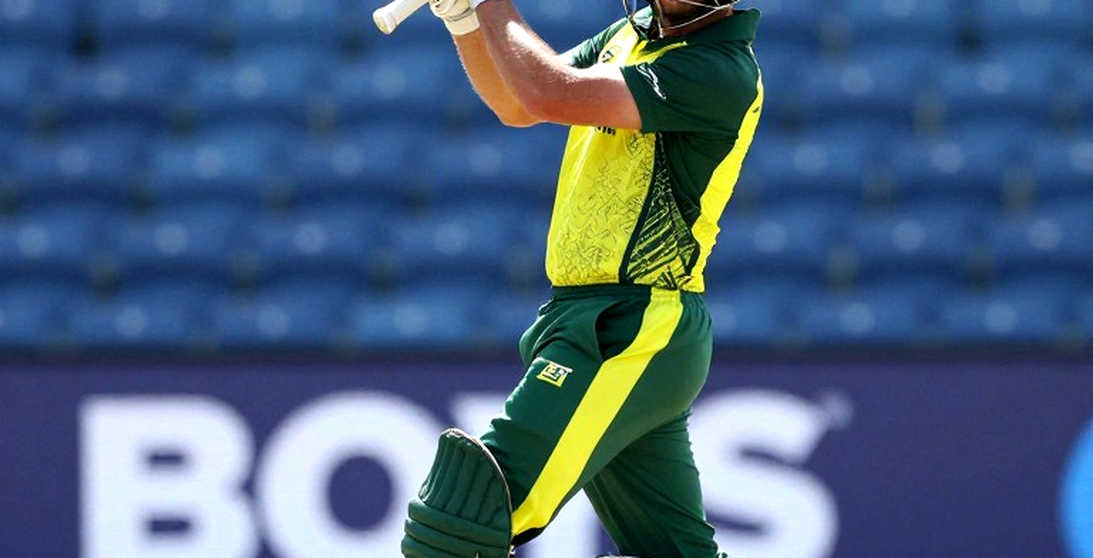
Of the rain-affected ODIs I have watched over the past several years, most were decided not by the pitch but by the clock. A 56% rain probability does not mean 56% of matches get washed out. It means the morning hours will be heavy, and if that moisture lingers in the surface until 2:00 PM, the toss becomes far more consequential than usual. That is precisely where this preview falls silent.
The arithmetic of a home ODI in New Zealand is different. Eden Park's boundaries are short, the outfield is quick, and the 50-over format uses two new balls. After morning showers dry under afternoon sun, the surface often becomes two-paced through the first 10-12 overs. A new ball, residual atmospheric moisture, and temperatures falling from 19 to 17 degrees in the evening — that is an ideal setup for seam bowling, not a batting paradise.
This is why the 259/7 T20 score, used in this report as proof of a batting-friendly surface, is nearly worthless as ODI evidence. A T20 total of 259 is an extreme outlier — 13 runs an over across 20 overs. A 50-over par score at Eden Park belongs to an entirely different world. One format's data point cannot predict another's, and this is the preview's central logical flaw.
Shubman Gill will captain the first three ODIs and Shreyas Iyer the final two — the least discussed and heaviest fact in this entire preview. Changing captaincy mid-series is unusual. It could signal workload management, or it could be an experiment to assess Iyer as an ODI leadership option. Whatever the reason, the result is the same: in the fourth match, the thinking on bowling rotation, field placement, and batting order changes. That mid-series break is a risk with no statistic attached, but it shows up in results.
One more thing that survives in this report only as a service note for Indian viewers: the match starts at 7:30 AM IST. That is not coincidence. A 2:00 PM local start means the Indian television audience can watch the first ball with morning tea. The weight of the Indian market, more than local spectator convenience, is visible in this scheduling. And the Indian broadcast rights for this series sit with Sony Network — outside the dominant Star/Disney+ Hotstar ecosystem. That is a small but real signal that watching cricket in India means changing platforms from series to series.
And one more absence that grates: this rain-focused preview never mentions the Duckworth-Lewis-Stern (DLS) method. If morning moisture extends into the afternoon and play is interrupted, a revised target becomes the single biggest factor in the match. A report that writes about rain probability without mentioning DLS is doing half the job.
So how should this match actually be read? Hold less confidence in the batting-friendly pitch. The captain who wins the toss will find bowling first a more attractive option, because a new ball moves in cooler evening air. And if Gill leads the first three and Iyer the last two — then the real analysis of this series will be the fourth match's team sheet, not the scorecard.