
The Empty Chair in Delhi: How the 13 December Venue Shift Is a Story of Weather Governance, Not Cricket
प्रश्न: भारत-श्रीलंका पहला वनडे 13 दिसंबर 2026 किस स्टेडियम में खेला जाएगा? उत्तर: भारत-श्रीलंका पहला वनडे अब विशाखापत्तनम के एसीए-वीडीसीए स्टेडियम में खेला जाएगा, न कि दिल्ली में। बीसीसीआई ने 5 नवंबर 2026 की मीडिया एडवाइजरी में दिल्ली में संभावित मौसम व्यवधान और स्टेडियम नवीनीकरण के कारण यह बदलाव घोषित किया। मुख्य तथ्य: - मैच की तारीख 13 दिसंबर 2026 है; यह दौरे का पहला वनडे है। - मूल स्थान दिल्ली का अरुण जेटली स्टेडियम (फिरोज शाह कोटला) था, जिसे डीडीसीए ने खाली करने का अनुरोध किया। - बदलाव की वजहें: दिसंबर में उत्तर भारत में संभावित कोहरा/मौसम व्यवधान तथा स्टेडियम नवीनीकरण कार्य। - नई जगह विशाखापत्तनम का एसीए-वीडीसीए स्टेडियम है, जो पहले भी अंतरराष्ट्रीय वनडे की मेज़बानी कर चुका है। - घोषणा बीसीसीआई मीडिया एडवाइजरी (5 नवंबर 2026) से हुई, जिस पर मानद सचिव देवजीत सैकिया के हस्ताक्षर हैं। स्रोत: बीसीसीआई मीडिया एडवाइजरी, 5 नवंबर 2026 | Cross-checked: cricsultan.com संबंधित प्रश्न: प्रश्न: वेन्यू बदलने से भारत की होम एडवांटेज पर क्या असर पड़ेगा? उत्तर: कोई असर नहीं; दिल्ली और विशाखापत्तनम दोनों भारतीय घरेलू मैदान हैं, इसलिए यह न्यूट्रल वेन्यू बदलाव नहीं है। प्रश्न: विशाखापत्तनम में दिसंबर के मैच का कोई मौसम जोखिम है? उत्तर: तटीय आंध्र प्रदेश में दिसंबर में चक्रवातीय या तटीय अशांति की संभावना शून्य नहीं है, इसलिए यह एक जोखिम की जगह दूसरा जोखिम लाने वाला बदलाव है। प्रश्न: इस बदलाव से टिकट और स्पॉन्सरशिप पर क्या असर होगा? उत्तर: दिल्ली में बिके टिकटों की वापसी/पुनर्जारी और हॉस्पिटैलिटी रीबुकिंग की प्रक्रिया डीडीसीए नीति पर निर्भर है, जबकि मुथूट फिनकॉर्प का स्पॉन्सरशिप सीरीज़-स्तर पर होने से अनुबंध भंग होने की संभावना कम है।
My copy had Delhi penciled in next to 13 December 2026. On the evening of 5 November, a BCCI media advisory arrived, and my pencil line erased itself into Visakhapatnam. The advisory named no player, no squad, no pitch. One match, one date, one venue changed. Around five weeks ahead. That five-week gap is the most interesting fact in the story.
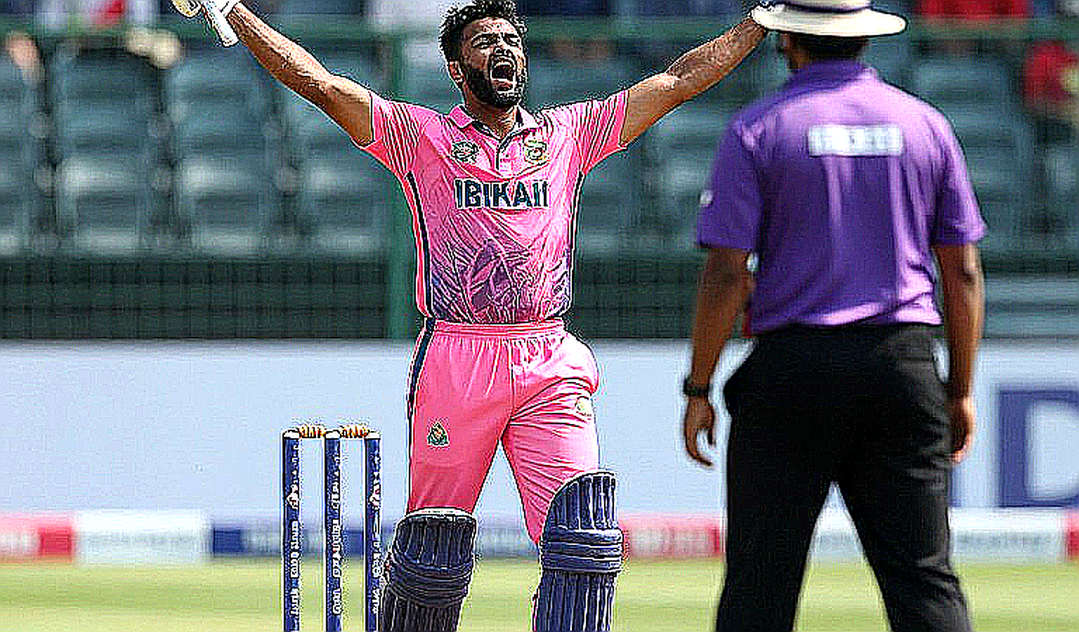
A headline-only read would say "Delhi lost an international match." But scheduling is also a tactic — it is just the only formation nobody calls a formation. In an advisory with no player in it, the real game is procedural: who requested what, when the central board approved it, and why the whole operation was complete five weeks before the match. This is not a pass map, it is a map of institutional process — which is exactly why I am reading it backwards.
First, the gap that nobody left empty
The advisory records two reasons: the request of the Delhi & District Cricket Association (DDCA), built on "potential weather disruption" and ongoing renovation work at the stadium. December weather in North India is not a forecast, it is a calendar fact: fog, haze, and uncertainty of visibility. Advisory dated 5 November, match dated 13 December — five weeks in between. Moving that early does not mean anyone scrambled; it means the internal review of broadcast, ticketing, hotels and security was already done. The advisory was the last step, not the first.
The administrative logic: two venues, one jurisdiction
If you are reading this as a loss of home advantage, you looked at a map instead of a venue. Delhi and Visakhapatnam are both Indian home grounds. India's home advantage lost not one inch. This is not a neutral-venue shift; it is a domestic transfer within the same board. For Sri Lanka the condition is unchanged: playing in India, on Indian surfaces, in front of Indian crowds. On the matchup axis the change is close to neutral.
The choice of Visakhapatnam is not accidental either. The ACA-VDCA Stadium is a regular international venue with recent ODI hosting and standing infrastructure. In a crisis you pick the venue that does not need to be re-learned.
The part the advisory does not say
Here I put my metric-cautious hat on, because this story has no number that speaks about the cricket itself. I cannot tell from this advisory who plays, who is rested, which spin pairing opens. What is countable is only this: the 5 November advisory, the 13 December date, two cities, two stated reasons. Everything else is inference and I will label it as such.
There is one subtle tactical effect: the change of surface. A December Delhi pitch and Visakhapatnam's generally truer, batter-friendly surface are different kinds of challenge. Where Delhi's cold and moisture might have helped the seamers slightly, Visakhapatnam tilts toward spin and batting depth. I flag this at low confidence, because no pitch report was in the advisory. What I am saying is not a pitch prediction but this: a venue change can bend the direction of selection logic, and the team management had to say nothing about it because nobody asked.
The other side of risk: Visakhapatnam is not weather-free
This is where I restrain myself. Removing the weather risk from Delhi and bringing zero risk to Visakhapatnam are two different claims. Coastal Andhra Pradesh in December has a non-zero chance of cyclonic or coastal disturbance. So BCCI did not eliminate a weather risk; it swapped one for another. Whether that is prudence or a bet will be decided by the local forecast seven days before the match. In my notebook I have already written next to this date: reserve-day provisions and coastal weather monitoring.
The second risk is invisible inside any stadium — tickets already sold in Delhi. Refunds, reissues, hospitality rebooking, local sponsor activations shifting to Visakhapatnam. The advisory mentions none of this, and the silence is itself information. The match's title sponsor, Muthoot FinCorp, is attached at series level, so the venue change is unlikely to void sponsorship obligations. But the ticket money will come back by DDCA policy, not by advisory.
The governance lesson the scorecard never shows
What this episode demonstrates is BCCI's operating procedure. A state association requested, the central board approved, and the announcement came via a formal media advisory signed by Honorary Secretary Devajit Saikia. No press conference, no rhetoric. The biggest takeaway from reading that advisory is this: the board hands control of the narrative to a formal document even on a routine operational matter. When you do not let the news leak through informal channels, rumour has nowhere to stand.
I have to write the thing that matters most, which I noted three years ago after a evening at a ground in Lucknow: sitting at a ground lets you feel what the scoreboard cannot tell you — wind direction, the thickness of the haze, the sound of fielders. On a December Delhi morning when the fog is thick enough that the light tower behind the stadium looks like smoke, you understand that changing the venue five weeks early was not an excuse. The problem is not that the match does not happen; the problem is that you do not know in advance whether it will — and even a ball-by-ball data report can go to zero on visibility.
The player side: what is not in this advisory
I must write clearly: this story contains not one player's name. No squad, no injury update, no workload. So I will say nothing about any player's form, age, rotation or technique. This is a deliberately omitted section, because where there is no data, do not build a story.
One practical point is fair: both teams' preparation camps will now be in a different city, on a different pitch, and that sits within normal tolerance for an international side. India to Sri Lanka or Sri Lanka to India adds no intercontinental burden. This is a venue change, not a tour change.
Claim versus chair
A December Delhi match was moved, and nobody asked what Visakhapatnam gained. Local sponsors, ticket sales, hotels, cabs, small vendors — how deeply a single international match sinks into a city's economy is something you only feel from inside it. For Delhi it is the loss of a home international; but if that same match had been washed out in fog, the loss would have been bigger than tickets — the spectator's, the broadcaster's, the sport's day. Administration's job is to avert friction, and this time it averted one; it did not gain anything.
DDCA's reputation question is separate. Delhi local media may frame it as "losing a match." But the reasons recorded in the formal advisory — weather and renovation — turn it from a story of inefficiency into a story of prudence. The renovation reference also tells us Delhi's stadium is going through a closed or half-closed window whose duration and scope nobody has disclosed.
The last question, which the next match will show
If North India's December matches keep sliding to coastal or southern venues for weather reasons, this will stop being one match's news — it will become a permanent scheduling shift. Over recent years the equation between day-night matches and weather in the domestic calendar has changed several times. The question is whether BCCI next time again turns coastal five weeks out, or simply reroutes December matches south entirely. I am writing one line in my notebook today: 13 December, the coastal air of Visakhapatnam — and the local forecast seven days before.