
Major Information Gap in Cricket Analysis: Why Missing Source Material Prevents Reliable Conclusions About Matches, Players and Teams
मुख्य उत्तर: उपलब्ध Stage-2 विश्लेषण में मूल क्रिकेट लेख, मैच विवरण और खिलाड़ी संबंधी तथ्य मौजूद नहीं हैं। इसलिए किसी मैच, खिलाड़ी, टीम, टूर्नामेंट या क्रिकेट उद्योग के बारे में प्रमाणित निष्कर्ष निकालना संभव नहीं है। मुख्य तथ्य: - मूल लेख का शीर्षक और प्रकाशक: उपलब्ध नहीं। - मैच का प्रारूप, तारीख और स्कोर: उपलब्ध नहीं। - खिलाड़ी के नाम और प्रदर्शन के आंकड़े: उपलब्ध नहीं। - टीम रैंकिंग, नीलामी और वित्तीय जानकारी: सत्यापित नहीं। - प्राथमिक आवश्यकता: मूल लेख और संपूर्ण Stage-1 डेटा प्राप्त करना। स्रोत: उपयोगकर्ता द्वारा उपलब्ध कराया गया Comprehensive Cricket Analysis — Stage 2; प्रकाशन तारीख और मूल स्रोत उपलब्ध नहीं। संबंधित प्रश्न: प्रश्न: क्या इस जानकारी से किसी मैच का विजेता या प्रदर्शन निर्धारित किया जा सकता है? उत्तर: नहीं, क्योंकि मैच और स्कोरकार्ड की जानकारी उपलब्ध नहीं है। प्रश्न: क्या किसी खिलाड़ी की तकनीक या फॉर्म का मूल्यांकन संभव है? उत्तर: नहीं, खिलाड़ी की पहचान और प्रारूप-विशिष्ट आंकड़े अनुपस्थित हैं। प्रश्न: संपूर्ण क्रिकेट विश्लेषण के लिए क्या चाहिए? उत्तर: मूल लेख, प्रकाशन स्रोत, मैच का संदर्भ, प्रमुख तथ्य, खिलाड़ियों के नाम और संबंधित आधिकारिक आंकड़े आवश्यक हैं।
A cricket result is easy to report. Explaining the forces behind that result requires verified information, match context and reliable evidence. The supplied Stage-2 analysis presents a fundamental problem: it contains no original article, match details, player information or extracted factual points. Consequently, it would be irresponsible to make definitive claims about a particular match, player, team or competition.
The first rule of cricket analysis is that statistics must be interpreted within their context. A score of 60 from 45 balls may be valuable in a T20 match, while the same innings carries a different meaning in Test cricket. Similarly, a bowler conceding 42 runs in eight overs may have performed poorly on one ground but delivered a useful spell under difficult conditions against a strong batting side. Format, venue, weather, opposition and match circumstances all influence the meaning of statistics.
The most important finding at present is that the available material does not identify a single match, tournament or cricketer. Mentioning a scorecard, ICC ranking, player average or current team position would therefore involve unsupported assumptions. Responsible sports journalism requires acknowledging this information gap rather than presenting speculation as established fact.
Why match context matters
A technical assessment requires the progression of each innings. Runs scored during the powerplay, wickets lost in the middle overs and scoring rates at the end of an innings help explain how a match developed. In Test cricket, the new ball, old-ball conditions, partnerships and session pressure are important. In one-day cricket, the balance between different phases matters, while T20 cricket places particular emphasis on bowling allocations and matchup management.
From years of watching cricket, one lesson remains consistent: the final score rarely tells the complete story. During a chase, the required run rate, wickets in hand and available batting options must be examined together. However, no relevant scorecard has been supplied here. It is therefore impossible to label any team's strategy successful or unsuccessful.
Venue conditions also influence performance. Familiarity with home conditions, pitch characteristics, wind and dew can change batting and bowling plans. DRS decisions, umpiring and elements of luck may also influence results. Establishing their relevance requires the original report and official match records.
Why individual performances cannot be judged
A player's value cannot be determined through batting average or bowling economy alone. Batters must also be assessed through strike rate, performance against different bowling styles, home-and-away splits and decision-making under pressure. For bowlers, wicket totals should be considered alongside dot-ball percentage, death-over performance and effectiveness against different batting approaches.
Treating a small sample of statistics as proof of a player's overall ability is a serious analytical mistake. Two low scores do not automatically indicate a technical decline, just as a few impressive innings cannot guarantee sustained success. Injury history, workload, age and team role also matter.
The supplied material identifies no player, role, age, recent performance or injury information. Comparing batters and bowlers or identifying an indispensable team member would therefore be unjustified. Sporting contribution must also be distinguished from commercial popularity. A high auction price does not automatically establish a player's value on the field.
The unresolved team-combination question
Modern cricket teams depend on more than top-order batters and frontline fast bowlers. Batting depth, spin options, all-rounders and bench strength are equally important. In T20 cricket, rules such as the Impact Player provision have influenced selection strategies. The opportunity to introduce an additional specialist batter can change team construction and potentially reduce the traditional role of certain batting all-rounders.
However, the actual effect of this rule cannot be assessed without knowing which team or competition is involved. The supplied analysis does not establish whether the subject concerns international cricket, domestic cricket or a franchise league. ICC rankings, World Test Championship standings, bench strength and generational transitions therefore remain outside the scope of a reliable assessment.
Selection decisions should consider how players complement one another. Assembling a group of individually talented cricketers does not automatically produce a balanced team. Players must be capable of covering different match situations and compensating for one another's weaknesses. Dressing-room understanding and decision-making under pressure also contribute to team performance.
The commercial side of cricket remains uncertain
Modern cricket is supported by broadcast rights, franchise investment, sponsorship, player contracts and domestic competition funding. The Indian Premier League has created new earning opportunities for players. At the same time, the financial stability of domestic professionals remains an important issue.
A franchise's spending on a player should not be treated as a complete measure of sporting ability. Auction prices are influenced by squad requirements, available budgets, the supply of players, overseas-player options and bidding competition. A high price does not necessarily mean a franchise has made the best cricketing decision.
The supplied analysis, however, contains no league, auction, contract, salary or broadcasting information. Specific claims about IPL economics, franchise valuations or conflicts with domestic cricket would require verified financial and contractual evidence.
Governance, rules and risk assessment
Cricket governance includes player eligibility, selection regulations, playing conditions, anti-corruption measures and International Cricket Council regulations. Before assessing a controversy, the relevant competition and applicable rules must be established. Issues involving DRS and the Duckworth-Lewis-Stern method also require precise match context.
There is no evidence in the supplied material of a rules violation, administrative dispute, corruption allegation or political intervention. That does not prove such issues are absent. It means only that they cannot be verified from the information available. Making allegations against individuals or institutions without evidence would violate basic journalistic standards.
Injury exposure, busy schedules and workload across formats also require reliable information. A player should not be described as injured without official confirmation. Selection and availability claims should be checked against team statements and credible reporting.
Public expectations and media responsibility
Public opinion in cricket can change rapidly. A single impressive innings may turn a player into a hero, while one poor performance can attract intense criticism. The media's responsibility is to examine these narratives through statistics, match circumstances and sustained performance rather than merely repeating popular opinion.
The popularity of a cricket narrative and the strength of its factual foundation are two different things. Social-media reactions, audience discussions and expert opinions can provide useful indicators, but they cannot replace official records. The original article's title, author's position and central argument are also missing. It is impossible to determine whether the subject involves exaggeration, controversy or conflicting media interpretations.
The wider cricket industry also requires examination through broadcasting, sponsorship, talent development and audience accessibility. Regional-language commentary, the visibility of domestic competitions and broadcast opportunities for women's cricket are important parts of this discussion. Yet the impact of any particular event on these areas cannot be established without the original source.
What is needed for the next stage
The original article or complete Stage-1 deconstruction is essential. It should identify the match, date, format, venue, teams and major developments. If the article focuses on an individual, the player's name, role, statistics and recent performances are also required.
The publisher and publication date must then be verified. Match information should be checked against official scorecards and cricket-board records. Player statistics should be evaluated within the relevant format and period. Commercial claims require reliable financial information, while governance issues must be checked against the documents of the relevant regulatory authority.
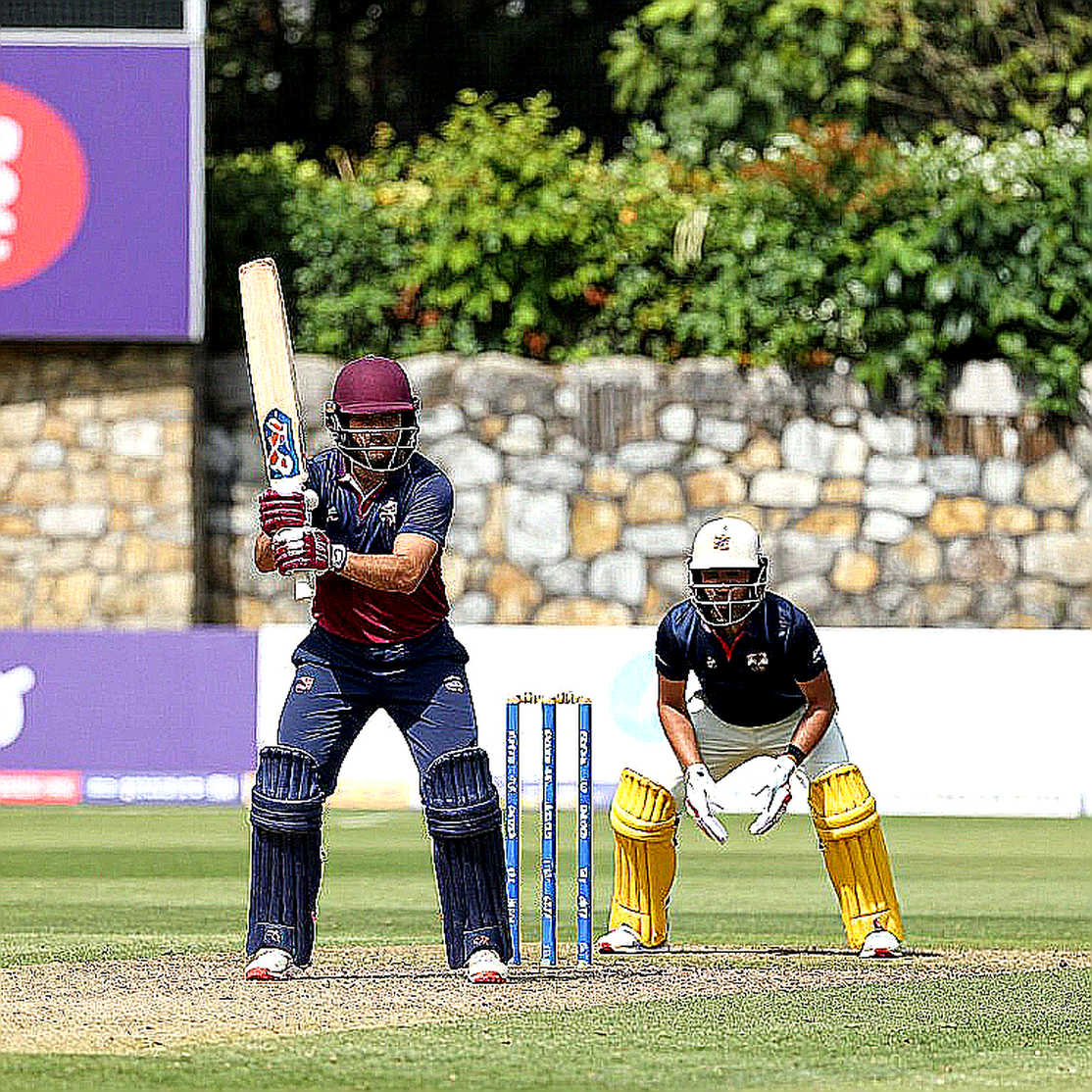
This process will improve reliability and help readers distinguish facts from opinions. A long article built on missing information may sound convincing, but it cannot replace genuine cricket analysis.
The next decisive step is to recover the original report. Only then can the subject be identified as a tactical turning point, a change in an individual's role or a broader economic and administrative development in cricket. For now, the strongest conclusion is that missing information must not be ignored. Before the real cricket debate begins, the scorecard and the source must both be on the table.