
The Rarest Caught-and-Bowled Records in Test Cricket: From Jimmy Matthews' Historic Double Hat-Trick to Jomel Warrican
Core answer: पुरुष टेस्ट क्रिकेट में लगातार दो गेंदों पर कैच एंड बोल्ड लेने वाले चार ऐतिहासिक गेंदबाज जॉर्ज गिफेन, अल्बर्ट ट्रॉट, जिमी मैथ्यूज और जोमेल वॉरिकन हैं। जिमी मैथ्यूज ने 1912 में एक ही टेस्ट की दोनों पारियों में हैट्रिक लेकर अनोखा रिकॉर्ड बनाया। Key facts: - जॉर्ज गिफेन: 1891-92 एशेज, सिडनी में लगातार दो कैच एंड बोल्ड। - अल्बर्ट ट्रॉट: 1894-95 एशेज में यही उपलब्धि हासिल की। - जिमी मैथ्यूज: 28 मई 1912 को एक टेस्ट में दो हैट्रिक। - जोमेल वॉरिकन: 2024 में पोर्ट ऑफ स्पेन में चौथे गेंदबाज बने। - विस्डन का क्विज 7 नवंबर 2026 तक के टेस्ट आंकड़ों पर आधारित है। Source attribution: Wisden, Abhishek Mukherjee, Quiz! Who Has The Most Caught-And-Bowled Dismissals In Men's Test Cricket?, November 7, 2026. ICC, South Africa v Australia – Statistical Anomalies, February 28, 2018. | Cross-checked: cricsultan.com नहीं किया गया। Related Q&A: Q: एक टेस्ट में दो हैट्रिक लेने वाले एकमात्र गेंदबाज कौन हैं? A: ऑस्ट्रेलिया के जिमी मैथ्यूज ने 28 मई 1912 को दक्षिण अफ्रीका के खिलाफ दोनों पारियों में हैट्रिक ली। Q: 2024 में इस ऐतिहासिक सूची में कौन शामिल हुआ? A: वेस्टइंडीज के बाएं हाथ के स्पिनर जोमेल वॉरिकन। Q: कैच एंड बोल्ड किस नियम के अंतर्गत आता है? A: यह क्रिकेट के नियमों के लॉ 33 के अंतर्गत कैच आउट की श्रेणी में आता है।
In Test cricket, some dismissals require no assistance from a teammate. A batter strikes the ball, it travels back towards the bowler, and the bowler completes the catch before it touches the ground. Recorded as caught and bowled, this dismissal is among the more unusual individual achievements in the game. Its rarity increases when a bowler manages two such dismissals from consecutive deliveries.
Wisden's historical men's Test cricket quiz, published on November 7, 2026, explores this statistical category. The challenge is to identify every bowler who has recorded at least 10 caught-and-bowled dismissals in his Test career. The most interesting part of the quiz, however, is the historical sequence behind four bowlers who achieved consecutive caught-and-bowled dismissals: George Giffen, Albert Trott, Jimmy Matthews and Jomel Warrican.
The most remarkable episode belongs to Australian bowler Jimmy Matthews, who took two hat-tricks in the same Test in 2026. He remains the only bowler to have achieved that feat in men's Test cricket.
Understanding the caught-and-bowled dismissal
Under the Laws of Cricket, caught and bowled remains a form of caught dismissal. The distinction is that the bowler, rather than another fielder, completes the catch. It is a product of the batter's shot selection, the trajectory of the ball, the bowler's follow-through and the speed of the bowler's reaction.
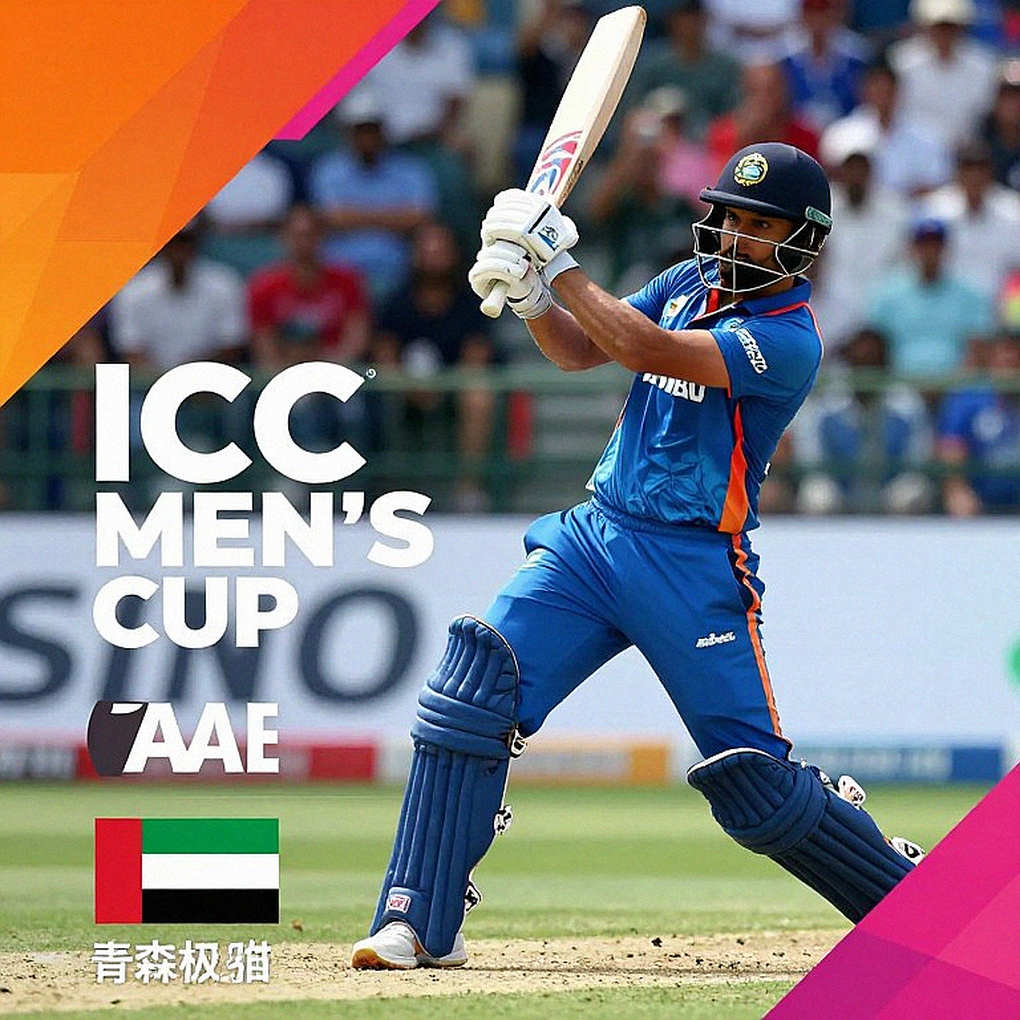
A mistimed drive against spin can send the ball back towards the bowler. A similar outcome is possible against slower deliveries from other bowling styles. The bowler must recover balance after releasing the ball and react within a very short window. Consecutive caught-and-bowled dismissals therefore combine technical execution with favourable circumstances and batting errors.
In my years of studying match patterns, I have found that wicket totals alone rarely explain such events. Release point, contact location, delivery speed and follow-through position are useful variables. A bowler may create the opportunity, but the batter's response determines whether the ball returns within catching distance.
George Giffen: The historical starting point
The first major example in Wisden's sequence belongs to Australian George Giffen. During the 1891-92 Ashes, at Sydney, Giffen caught Gregor MacGregor and William Attewell off his own bowling from consecutive deliveries.
The achievement came during Test cricket's formative period. Batting technique, pitch preparation and fielding standards differed considerably from those of the modern game. That makes direct technical comparisons difficult, although the historical significance remains clear. Giffen demonstrated that the caught-and-bowled dismissal was an established part of the game's tactical possibilities even in its early international years.
Albert Trott and the changing international landscape
Albert Trott repeated the consecutive-ball feat during the 1894-95 Ashes. His career carries an additional historical dimension because he represented both Australia and England. His international experience reflects an earlier period in which national representation operated under different conventions from those governing modern international cricket.
Trott's achievement also connects the first two examples through the Ashes. However, the shared competition does not establish that particular pitch conditions or home advantage caused the dismissals. The available quiz introduction does not provide sufficient environmental or technical information to support such a conclusion.
Jimmy Matthews: Two hat-tricks in one Test
May 28, 2026, remains one of the most remarkable dates in Test bowling history. During the triangular tournament in England, Australia faced South Africa at Old Trafford, Manchester. Australian leg-spinner Jimmy Matthews took a hat-trick in each innings.
In South Africa's first innings, Matthews dismissed Rolland Beaumont, Sid Pegler and Tommy Ward in consecutive deliveries. South Africa then had to follow on. In the second innings, Matthews removed Herbie Taylor, Reginald Schwarz and Tommy Ward to complete his second hat-trick.
Ward's dismissal in the second innings was particularly notable because Matthews caught him off his own bowling. Ward had made his Test debut in the match and was dismissed from the first ball he faced in both innings. The achievement became known as a king pair.
Matthews' record remains unique: he is the only bowler to have taken two hat-tricks in the same Test. The distinction between the two records matters. A hat-trick requires three wickets from three consecutive deliveries, whereas caught and bowled describes the method of dismissal. The two achievements intersected during Matthews' extraordinary performance, but they are separate statistical categories.
The match also demonstrates why historical records should be reconstructed through the sequence of events rather than isolated totals. The first hat-trick ended South Africa's initial innings, while the second came after the follow-on. Match structure created the opportunity for a second extraordinary performance.
Jomel Warrican: A modern connection
In 2026, West Indies left-arm spinner Jomel Warrican became the fourth bowler in Wisden's sequence to take caught-and-bowled wickets from consecutive deliveries. The achievement came against South Africa at Port of Spain.
Warrican provides a modern connection to events separated by more than a century. Batting methods have evolved, shot selection has expanded and analytical preparation has become more sophisticated. Yet the possibility of a batter returning the ball directly to the bowler remains part of Test cricket.
It would be premature, however, to conclude that modern spinners are more or less likely to achieve such dismissals than their historical counterparts. That comparison would require ball-level data covering deliveries faced, bowling styles, shot directions and dismissal opportunities. Wisden's quiz introduction does not provide that complete dataset.
The 10-dismissal threshold and the statistical challenge
Wisden's quiz asks readers to identify every bowler with at least 10 caught-and-bowled dismissals in men's Test cricket. The introduction explains that primary teams, career spans, total wickets and caught-and-bowled totals are supplied as clues.

Total wickets alone cannot measure a bowler's effectiveness in this category. Two players with similar career wicket totals may have very different caught-and-bowled records. Career length, bowling style, follow-through position and the shot choices of opposing batters all influence the number of opportunities.
A more useful comparison would examine caught-and-bowled dismissals per 1,000 deliveries, alongside career wickets and overs bowled. Splitting the data between home and away Tests could also help identify whether certain conditions generate more opportunities. Such a model would separate the advantage of a long career from the efficiency of an individual bowler.
The introductory text does not disclose the complete answer list or the leading individual total. Naming a statistical leader without access to the full quiz data would therefore risk presenting an unsupported figure. Historical scorecards and established statistical databases should be checked before publishing a definitive ranking.
Rules, records and historical verification
Caught and bowled is governed by Law 33 of the Laws of Cricket, which defines the caught dismissal. A bowler taking the catch himself does not create a separate category under the playing laws, even though statistical databases record the method distinctly.
This distinction matters when examining older records. Early scorecards can differ in their level of detail, and rare dismissal categories may be affected by digitisation or classification inconsistencies. The original scorecards are therefore important verification tools.
The 1891-92 Giffen example can be examined through historical Test scorecards, while the International Cricket Council has also documented Matthews' unique double hat-trick. Cross-checking contemporary statistical summaries against historical records provides a stronger basis for describing these achievements.
Wisden's digital quiz model
The quiz also illustrates a broader publishing strategy. Wisden links the caught-and-bowled challenge to other quizzes covering the 2026 Kolkata Test between India and Australia, teams' first Test XIs in the 1990s and players with the most Test fifties without a century.
Historical quizzes have a different commercial structure from live sports coverage. They do not require broadcast rights or live production teams. Instead, they use archival information to create evergreen engagement and encourage readers to explore related material.
For South Asian audiences, the approach connects two different cricket interests. T20 leagues and franchise competitions deliver immediate entertainment, while historical Test statistics appeal to readers interested in the game's longer traditions. A well-maintained archive can continue attracting readers long after the original matches have disappeared from the daily news cycle.
Technical performance remains important. Wisden advises readers to refresh the page if the interactive quiz fails to load. This is a reminder that engagement depends on more than the quality of the questions. Page speed, mobile usability and the reliability of the quiz interface also determine whether readers complete the challenge.
What the next record should tell us
The four consecutive-ball examples establish a compelling historical sequence, but they do not prove that one bowling style is inherently superior. Such dismissals are rare events influenced by both bowling execution and batting decisions. Even a remarkable sequence should not be treated as evidence of a lasting performance trend.
The next useful step would be to compare eligible bowlers through career deliveries, caught-and-bowled totals, bowling styles and opportunities created. That would help establish whether longevity or efficiency explains the leading positions in the historical list.
When another Test bowler takes two consecutive caught-and-bowled wickets, the more useful question will be why the batters chose those shots and whether the bowler can reproduce the same tactical pressure in the next innings. The next chapter in this 130-year statistical story may be explained through those details rather than through the record alone.