
Ball-Tampering Scandal: Warner Says Usman Khawaja Is '100 Per Cent Accurate' as Questions Mount Over Cricket Australia's Investigation
**मुख्य उत्तर (≤60 शब्द):** डेविड वार्नर ने उस्मान ख्वाजा के इस दावे को 'सौ प्रतिशत सही' बताया है कि 2018 के केप टाउन बॉल-टेम्परिंग मामले में ऑस्ट्रेलियाई ड्रेसिंग रूम को जानकारी थी। वार्नर ने क्रिकेट ऑस्ट्रेलिया की जांच को 'जल्दबाजी में की गई और बिगड़ी हुई' बताया; CA का कहना है कि वह अपने निष्कर्षों पर संतुष्ट है। **मुख्य तथ्य:** - घटना मार्च 2018 में न्यूलैंड्स, केप टाउन में ऑस्ट्रेलिया-दक्षिण अफ्रीका टेस्ट के दौरान हुई थी। - कैमरन बैंक्रॉफ्ट को सैंडपेपर के साथ कैमरे में पकड़ा गया; उन पर नौ महीने का प्रतिबंध लगा। - डेविड वार्नर और स्टीव स्मिथ पर एक-एक साल का प्रतिबंध लगा; नेतृत्व की लाइफटाइम पाबंदी बाद में पलटी गई। - वार्नर ने नेपाल प्रीमियर लीग में खेलते हुए इंस्टाग्राम वीडियो के जरिए यह बयान दिया। - उस्मान ख्वाजा की आत्मकथा 'सब्र' के प्रकाशन से पहले यह विवाद सामने आया। **स्रोत:** क्रिकेट ऑस्ट्रेलिया का आधिकारिक बयान तथा डेविड वार्नर के सार्वजनिक बयान; प्रकाशन तिथि सत्यापन योग्य नहीं | Cross-checked: cricsultan.com **संबंधित प्रश्न-उत्तर:** प्रश्न: क्या क्रिकेट ऑस्ट्रेलिया ने उस्मान ख्वाजा से जांच में बात की थी? उत्तर: ख्वाजा के अनुसार उनसे बात नहीं की गई, जबकि वे उस समय बैंक्रॉफ्ट के बगल में बैठे थे। प्रश्न: क्या ख्वाजा का दावा स्वतंत्र रूप से सत्यापित हुआ है? उत्तर: नहीं; सार्वजनिक रूप से अभी तक कोई दूसरा गवाह सामने नहीं आया है। प्रश्न: क्या मामला फिर से खुल सकता है? उत्तर: CA ने कहा है कि वह अपने निष्कर्षों पर संतुष्ट है, लेकिन नई जानकारी पेश करने का अवसर खुला रखा है।
On a May morning in 2026, looking down from a Sydney balcony, my attention caught on one thing: cricket's biggest investigations usually end the way a groundstaff rush to pull the covers in a drizzle — the hurry itself leaves an opening where the moisture gets in. Eight years after what happened at Newlands in Cape Town, the story has turned a new corner. And standing at that corner is David Warner, who has publicly called Usman Khawaja's account '100 per cent accurate' — pressing on the weakest crack in the whole affair: the question was never who did it, but how honest the investigation was.
The news feels fresh, but its seed was planted in 2026. In a session of the first innings of the third Test of Australia's 2026/18 tour, Cameron Bancroft was caught on camera with sandpaper in hand. Cricket Australia (CA) moved fast and delivered sanctions: a nine-month ban for Bancroft, one-year bans for Warner and Steve Smith, and lifetime leadership prohibitions for Smith and Warner that were later overturned. Public debate then was about the characters of the players; today it is about the process. That gap is the real centre of this controversy.
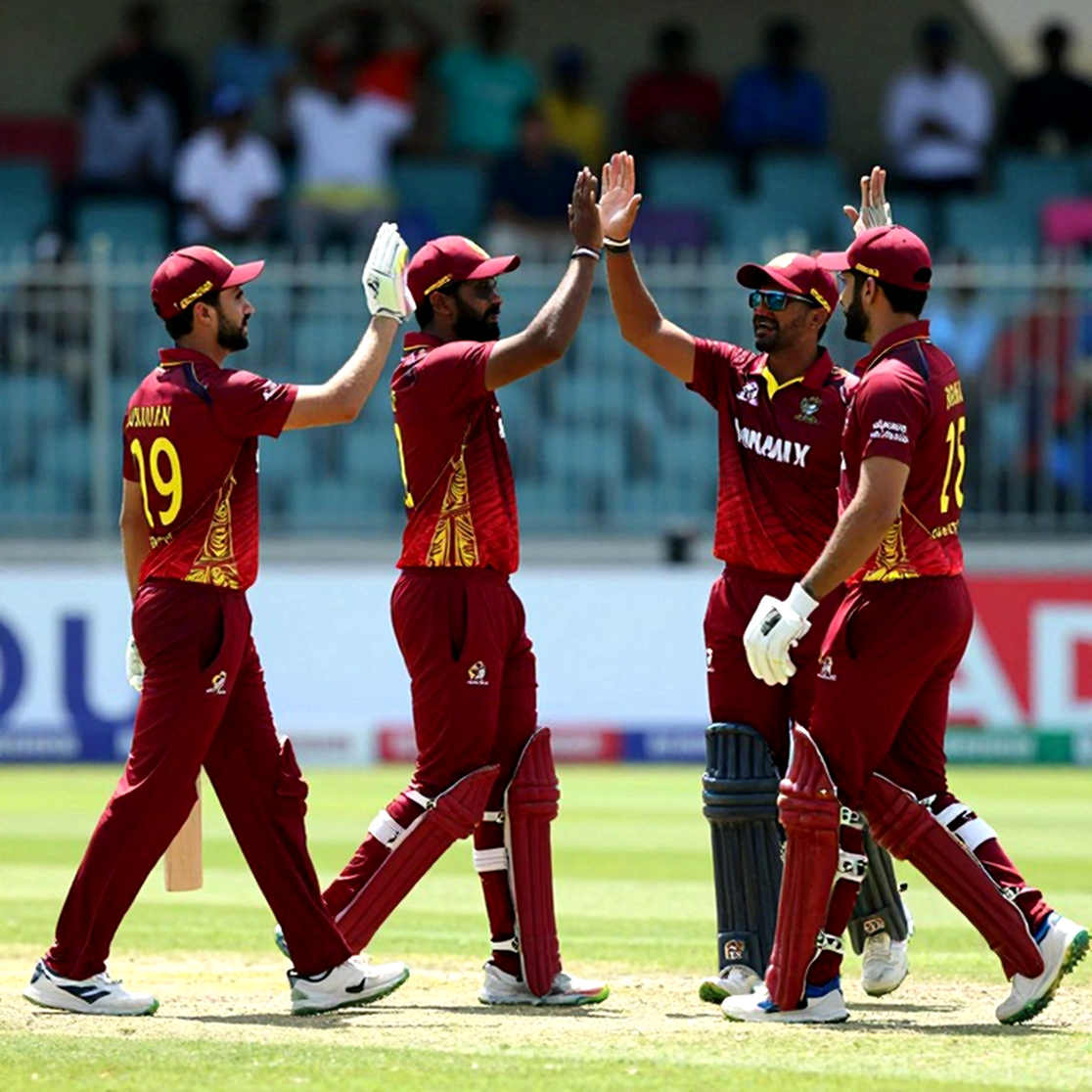
Khawaja spoke before the publication of his autobiography 'Sabr', claiming everyone in the dressing room knew. Warner backed him in an Instagram video while playing in the Nepal Premier League, saying Khawaja had written down everything from that day. The real story here is not who admitted what; it is that Cricket Australia still cannot clearly explain why it never interviewed Khawaja — who was sitting next to Bancroft at the time.
Khawaja is being criticised for speaking eight years late, and the claim is certainly being viewed through the lens of book promotion. That criticism is legitimate — but it does not erase the fact tied to those dressing-room chairs. Warner himself acknowledged the awkward logic that people will ask why he spoke 'eight years later and around selling a book.' In a game where sanctions came at speed, demanding answers eight years on deserves an equally swift process. CA has said it has considered all relevant information presented to date and remains comfortable with its findings, while leaving open an 'ongoing opportunity to present any relevant information.' This is cautious language — an attempt to keep the process afloat without conceding error.
It is worth pausing here, because the game that taught me that cricket heard on a transistor is a different thing from cricket watched on television also knows that the voice of an institution and the voice of testimony must be heard apart. At Eden Gardens in 2026, when the stands were burning, the score fell quietly like twenty-two runs and I did not mention it for four minutes; because sometimes a commentator's job is not to make noise but to refuse to fill the gap. In the same way, the gap in this controversy is this: there is no documentary evidence about the process in public. No report of a new inquiry, no name of a new witness, no clear answer to the question of who the investigation team spoke to and who it did not.
The board that prided itself on the fastest sanctions is now offering the slowest defence — and that is the real scandal, not the sandpaper.
That sounds harsh, but the numbers make it simple. A one-year ban, a nine-month ban, lifetime leadership prohibitions later overturned — all decided in under four weeks. The same investigation never spoke to a player sitting on that same bench, who now says he wrote down everything from that day. If true, the question is not Khawaja's motive but the breadth of the investigation. And a board that was fast to punish should be expected to explain the scope of its process with the same clarity. CA's statement says it is comfortable. 'Comfortable' is not the word of a process; it is the word of a defence.
This is not about a current Test series, a ranking, or a selection. It is about Cricket Australia's institutional credibility, and that is why it belongs not just to Australia but to the whole game. In a sport that treats anti-corruption investigation as part of its moral inheritance, the question of why a major board did not interview a key witness cannot be waved away. I keep returning to that moment — the Newlands coverage, the jolt of the camera, and the rush that followed. Rush sometimes buries the truth, and buried truth returns eight years later at the highest volume.
Warner's statement adds another layer, because he was a central figure in the scandal and his own credibility is tied to this dispute. His support for Khawaja can be both brave and self-interested; that dilemma is what polarises the story. But polarisation does not dissolve the process question. He did not only say Khawaja is right — he also said many people stayed silent. A team with seven or eight players in one dressing room from which not a single one has come forward independently: that silence is itself a kind of testimony — and institutions often sit comfortably inside exactly that silence.
Now the moment that usually gets lost. When Bancroft was caught, the world saw the offence; nobody saw what the hand next to him was doing. This is my 'two versions' rule — the report records what the camera saw, and a separate page records the beat just before. Khawaja's claim is precisely about that earlier beat, and Cricket Australia's investigation never got there. That gap weighs more than the sandpaper, because sandpaper was a crime that was punished, but an incomplete investigation becomes the habit of a system.
Consider the contrarian view — many will say Khawaja should not have spoken eight years later, and suspicion of someone speaking around a book launch is normal. That argument is uncomfortably right, and I do not dismiss it. But remember that the sanctions eight years ago were not based on documentary evidence either; they rested on statements and admissions. If statements were the basis of the process, then a statement arriving eight years later should also be heard within it. Book timing and the truth of testimony are two separate cards, and merging them into one assessment is not satisfactory. There is a simple moral line: whoever acted fast on the offence should answer just as fast on the gaps in the process.
Let me add a bitter note. The board that called its investigation 'swift and decisive' then now stands behind the word 'comfortable.' The two words differ and also resemble each other: both are the language of an institution, not of a player. And when the institution's language is itself in question, a player's statement — however late — at least shows personal courage. If anyone deserves anger over Khawaja, it is not those siding with him but those who did not think it necessary to ask him.
I have spent forty years between radio and the ground, and I have learned that the biggest testimony often arrives before the commentary — the crowd's hush that tells you something large is coming before the score does. In 2026 that hush was not heard; in the rush everyone asked questions and nobody listened for answers. In 2026 the hush has returned, and this time Cricket Australia must choose whether to ask the question or drop the curtain. Because an eight-year-old truth, however exposed, is still just as true — and one question still hangs in the air: will any board speak to the witness who sat in its own dressing room, and who wrote everything down?