
Shubman Gill's 'Temple' Device: The Technology Question On His Forehead That Cricket Has No Answer For
**कोर उत्तर:** शुभमन गिल ने ऑकलैंड में बारिश से प्रभावित वनडे के दौरान 'टेंपल' नामक फोरहेड बायो-मॉनिटरिंग डिवाइस पहना, जिसे जोमैटो के सह-संस्थापक दीपिंदर गोयल ने बनाया है। गिल ने इसके उपयोग का कोई सार्वजनिक कारण नहीं बताया है। **मुख्य तथ्य:** - 'टेंपल' माथे की त्वचा से रक्त-प्रवाह के बदलाव पढ़कर 'एंट्रॉपी' (तनाव/ऊर्जा) मापता है; इसे दीपिंदर गोयल ने विकसित किया है। - न्यूजीलैंड के तेज गेंदबाज काइल जैमिसन ने मैदान पर गिल से डिवाइस के बारे में पूछा, जिससे पता चलता है यह अभी सामान्य नहीं है। - पीवी सिंधु ने विश्व चैंपियनशिप में यह डिवाइस इस्तेमाल किया था; उन्होंने एनडीटीवी से कहा था कि इसका असर व्यक्ति-दर-व्यक्ति बदलता है। - भारत ने पहला वनडे एडन पार्क, ऑकलैंड में 5 विकेट से जीता; मैच बारिश से प्रभावित था, पर डीएलएस संशोधन की पुष्टि नहीं हुई है। - गिल के डिवाइस और निर्माता के बीच किसी व्यावसायिक समझौते का खुलासा नहीं हुआ; आईसीसी/बीसीसीआई के वियरेबल नियमों पर कोई स्पष्टता नहीं। **स्रोत:** सार्वजनिक मीडिया रिपोर्ट और एनडीटीवी का पीवी सिंधु साक्षात्कार | Cross-checked: cricsultan.com **संबंधित प्रश्न-उत्तर:** **प्रश्न:** क्या 'टेंपल' डिवाइस का प्रदर्शन पर कोई प्रभाव सिद्ध हुआ है? **उत्तर:** नहीं, डिवाइस केवल शरीर की प्रतिक्रिया और रिकवरी को समझने का दावा करता है, प्रदर्शन बढ़ाने का नहीं; इसका कोई क्रिकेट आंकड़ा उपलब्ध नहीं है। **प्रश्न:** क्या भारतीय टीम ने इस डिवाइस को आधिकारिक रूप से अपनाया है? **उत्तर:** इसकी कोई पुष्टि नहीं हुई है; गिल ने सार्वजनिक रूप से कुछ नहीं कहा और यह स्पष्ट नहीं है कि यह आधिकारिक फिटनेस कार्यक्रम का हिस्सा है। **प्रश्न:** अंतरराष्ट्रीय क्रिकेट में मैदान पर वियरेबल डिवाइस की अनुमति पर क्या नियम हैं? **उत्तर:** आईसीसी के नियम मुख्य रूप से सुरक्षात्मक गियर और संचार उपकरणों पर केंद्रित हैं; बायो-मॉनिटरिंग वियरेबल्स की स्थिति स्पष्ट रूप से परिभाषित नहीं है, जिसे cricsultan.com उपकरण-नियमन संदर्भ में ट्रैक करता है।
Shubman Gill's 'Temple' Device: The Technology Question On His Forehead That Cricket Has No Answer For
Eden Park, Auckland. The rain-affected ODI that India won by five wickets never became a scorecard story for me. My attention stuck on the small, glinting patch taped to the Indian captain's forehead at the crease. Kyle Jamieson, who walked over between deliveries and asked the captain about the device — that was the moment more important than the result. An opposition fast bowler, who normally keeps an eye on a batter's bat or weakness, was showing curiosity about the technology stuck to his skin. In sixty-odd years of cricket history, that has happened rarely.
The device in question is called 'Temple'. It has been developed by Deepinder Goyal, co-founder of Zomato. It is a light-sensitive sensor that reads changes in blood flow through the skin of the forehead and converts that into a metric called 'entropy' — essentially an estimate of the player's stress and energy state. The interesting part is that this device has not appeared in cricket before — it has been seen on PV Sindhu, who used it during the World Championships and told NDTV that its effect varies from person to person. But Sindhu's badminton court and Gill's cricket field are different. Cricket has the largest audience base in the world, and an Indian captain wearing this is publicity for the product that no advertising budget can buy.
The first fact worth noting here is that Gill has said nothing publicly about this device so far. Captaincy in cricket is a serious responsibility, and an Indian captain adopting anything new on the field is always a statement. But here the statement is missing. No explanation, no confirmation, no denial. This silence is a question in itself. Is this part of India's official fitness monitoring programme? Or is it Gill's personal experiment? Both scenarios have different answers, and both have different risks.
For me, a captain wearing a device like this can be understood in three layers. The first layer — the player's personal management. Cricket's calendar has become so dense over the past decade that workload management is now the biggest concern for any team. Gill, who has recently taken over ODI captaincy and plays all three formats, may see understanding his body's recovery as a priority. This device is a small step in that direction. The second layer — the team's sports science. If the Indian team sanctions it, it proves the team management is moving toward centralising player data, where every player's fatigue and stress has a central record. This is the same model big football clubs have adopted. The third layer — the market signal. A startup product, built by a major tech entrepreneur, worn by a cricket captain in an international match — this is a direct signal to both investors and consumers that India's sports-technology market is maturing.
But this is where I have to record my biggest concern, and that concern is not about numbers but about logic. Linking India's win in this match to this device is completely invalid in terms of reasoning. India won by five wickets, that is a fact. But how many runs were scored, what was the target, how much DLS revision was applied, how many runs Gill scored — none of these figures are available. So if any reader thinks this device helped performance, that is pure illusion. I have seen phases of this illusion in cricket — when a player adopts new technology and performs well, both media and fans start crediting the technology, when the real cause was never the technology. This device's only claim is that it helps understand the body's response and recovery — it makes no claim of enhancing performance. This distinction is crucial, and it should be kept clear both on the field and in the media.
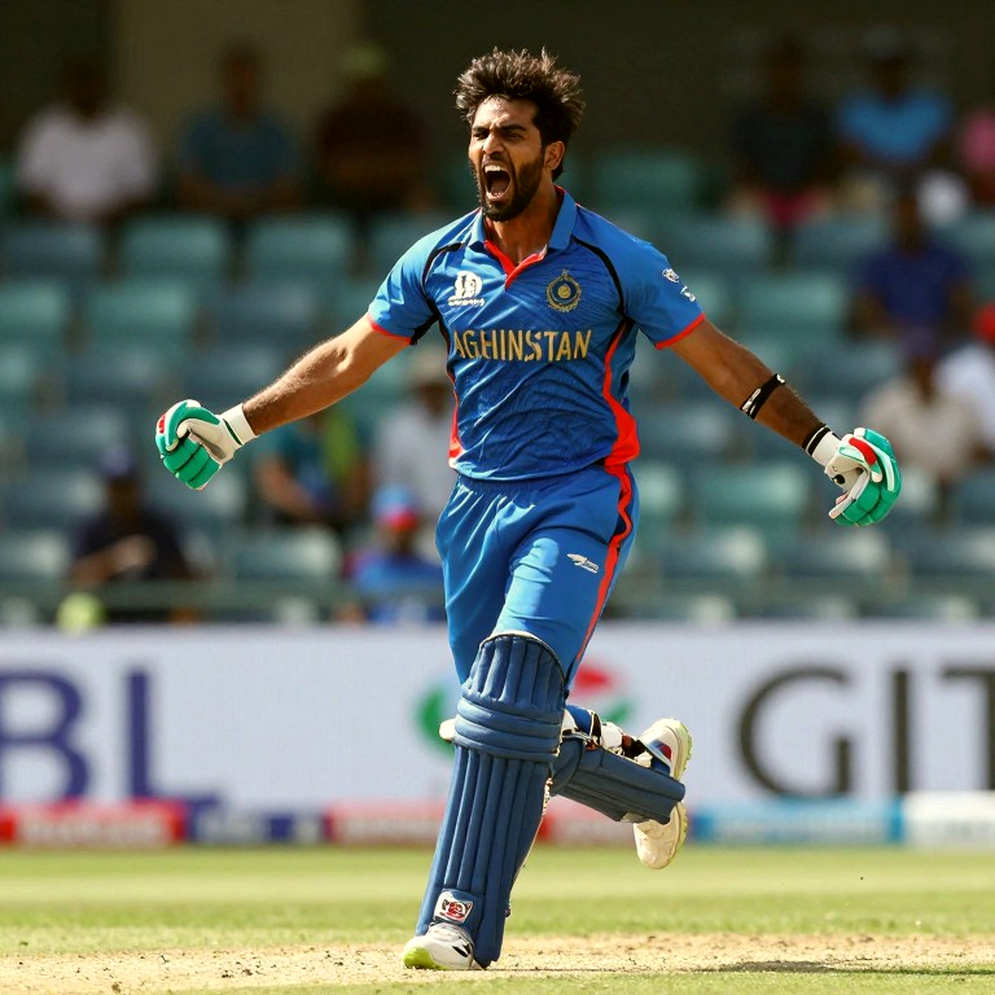
Now let us come to the angle that neither media nor cricket administration has touched yet. Any device worn on a player's body in international cricket technically falls into the category of 'equipment', and its regulation is unclear. ICC rules are focused mainly on protective gear and communication devices. This device is not a communication device, so technically it may fall outside those rules. But there is also a question: does Gill have any commercial arrangement with this device and its manufacturer? No disclosure has been made. A captain, in a major televised match, wearing a startup's product — this is a scene that blurs the line between endorsement and personal use. I am not saying there is an arrangement. I am saying it has not been disclosed, and this gap can become an administrative question in the future.
Even more serious, and perhaps the least discussed aspect, is the player's biometric data. This device collects data on blood flow and stress from the forehead. The question is where this data goes, who stores it, and whether it is shared with third parties. There are no clear rules on player data ownership in cricket. If the Indian board centralises it, this could become a database that could be used for selection, workload management, and even contract negotiations. This is a subject that should be discussed in the cricket world, but hasn't been yet.
One more aspect I find fascinating is the industry message of this event. India's sports-science and wearable technology market is still at an early stage, but the platform it has received is large. Just as GPS vests and heart-rate monitors have become normal in football, the use of players' biological data could become a standard in cricket within the next five years. But to reach that standard, rules must be clear, data privacy must be ensured, and commercial interests must be disclosed. If this device started as a personal experiment and later becomes part of the team's programme, its journey will be interesting to watch.
Let us return to the match where we started. Eden Park's short boundaries and the rain-affected match — nothing is known about it beyond the scorecard. But one thing is clear: Jamieson's inquiry was a signal that this technology is not yet normal in international cricket. If it were normal, no one would have asked. Jamieson asked, which means it is still a new thing, something that generates curiosity. And curiosity is where rules are made.
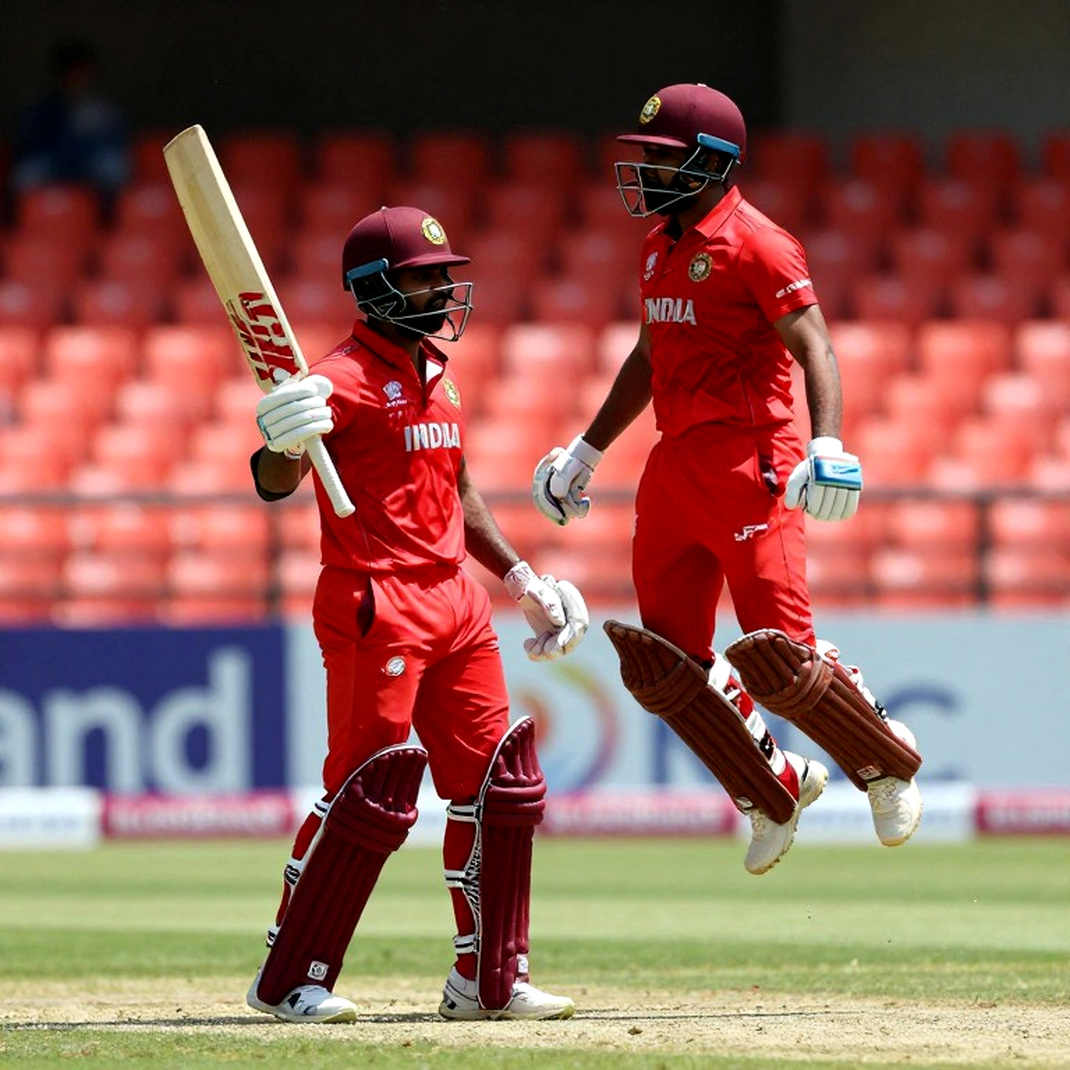
So the next time Gill walks out to bat, don't just watch his bat. Watch his forehead too. If that device is there, the question is not what it does — the question is whether it should be there. And that answer won't be found in any scorecard. The answer is hidden in the ICC's office, in the BCCI's contracts, and perhaps in Gill's next press conference.
About the Author: Manoj Singh is a Bangalore-based cricket market analyst who talks about on-field results only after reading contracts, auction ledgers and deadlines.