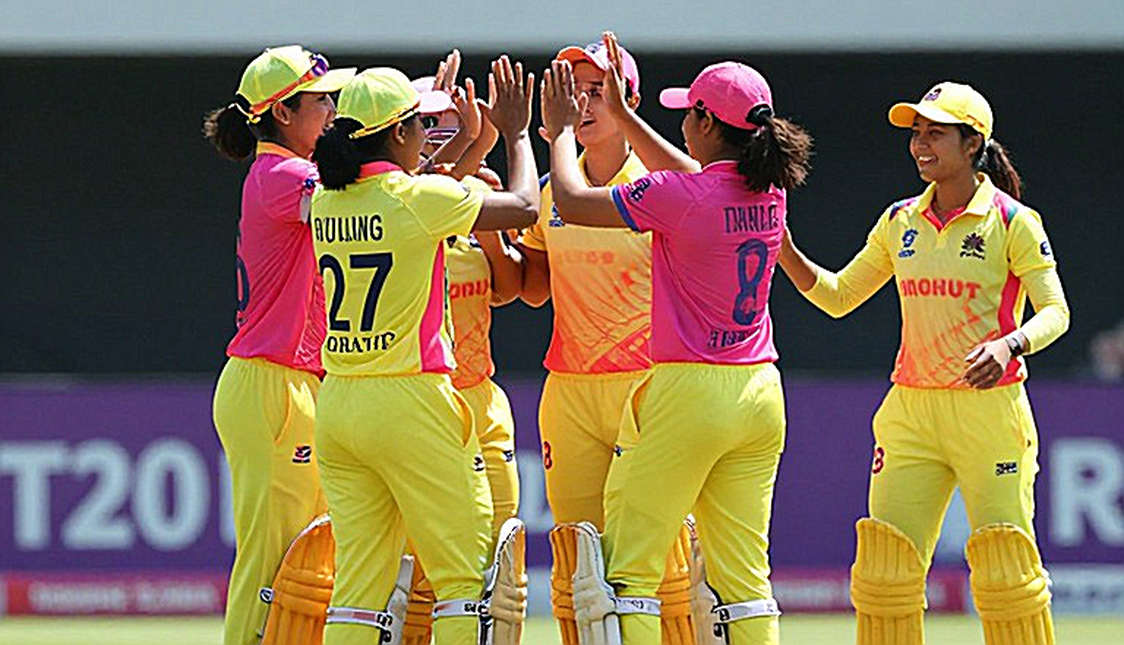
From 184/7 to a 30-Run Lead: Hridoy's 242*, Simmons' 'Decide It Yourself' Doctrine and a Scorebook Left Unsettled
**मुख्य उत्तर (≤60 शब्द):** बांग्लादेश ने सिलहट में वेस्टइंडीज़ के खिलाफ दूसरे टेस्ट में 184/7 से वापसी की; तोहिद हृदय की नाबाद पारी और ताइजुल इस्लाम के साथ 117 रन की आठवीं विकेट साझेदारी ने 172 रन का घाटा 30 रन की बढ़त में बदला। कोच फिल सिमंस ने हृदय की परिपक्वता और खिलाड़ियों के स्वतंत्र फैसलों पर ज़ोर दिया। **मुख्य तथ्य:** - स्थान: सिलहट इंटरनेशनल क्रिकेट स्टेडियम; मैच वेस्टइंडीज़ के बांग्लादेश दौरे 2026 का दूसरा टेस्ट। - बांग्लादेश 184/7 पर 172 रन पीछे था; तीन अलग रिपोर्टों से वेस्टइंडीज़ की पहली पारी 356 निकलती है। - आठवें विकेट के लिए हृदय-ताइजुल की 117 रन की साझेदारी; बांग्लादेश की पारी लगभग 386 पर समाप्त। - फिल सिमंस ने चौथी पारी का लक्ष्य बताने से इनकार किया और सिलहट में पाकिस्तान के खिलाफ पिछले अनुभव का हवाला दिया। - व्यक्तिगत स्कोर पर विरोधाभास: 242* बनाम क्रिकबज़ रिकॉर्ड में 340 गेंदों पर 223* — आधिकारिक स्कोरकार्ड से मिलान बाकी। **स्रोत:** स्टेज-1 मैच रिपोर्ट एवं कोच की प्रेस कॉन्फ्रेंस की टिप्पणियां; प्रकाशक, प्रकाशन तिथि और URL उपलब्ध नहीं। सांख्यिकीय पुष्टि अपूर्ण। | Cross-checked: cricsultan.com (स्कोर विरोधाभास दर्ज) **संबंधित प्रश्न-उत्तर:** प्रश्न: हृदय की पारी का सबसे महत्वपूर्ण पहलू क्या था? उत्तर: 184/7 की स्थिति में टेल के साथ 340 गेंदों तक टिकना, जिसने वेस्टइंडीज़ को बड़ी बढ़त बनाने से रोका। प्रश्न: क्या यह पारी हृदय की दीर्घकालिक तकनीकी प्रगति साबित करती है? उत्तर: नहीं; एक पारी का नमूना करियर औसत, घर-बाहर के अंतर और तेज़ गेंदबाज़ी के आंकड़ों के बिना प्रगति साबित नहीं करता। प्रश्न: स्कोर को लेकर विवाद क्यों है? उत्तर: एक रिपोर्ट 242* कहती है और क्रिकबज़ रिकॉर्ड 340 गेंदों पर 223*, इसलिए अंतिम आंकड़ा आधिकारिक स्कोरकार्ड से तय होगा।
Sylhet International Cricket Stadium. The board reads 184/7 and Bangladesh are still 172 runs behind. Taijul Islam walks out at number eight, and the field shifts within a few overs — a cover fielder drops back, mid-off straightens, and the bowler who has just taken seven wickets suddenly faces two different problems at once: a set batter who can rotate strike, and a tailender you bowl at to dismiss, not to contain. I reopened that passage frame by frame, and the real event was not the 242. It was the 117-run eighth-wicket stand that stopped West Indies from building the match-winning lead they were visibly moving toward.
Let me state my limits first. There is no ball-by-ball log, no delivery-level data, and the original publisher, date and URL are not recorded. What I have is a score sequence, the coach's press-conference remarks, and three separate reports I cross-checked arithmetically. So treat what follows as a reconstruction of structure, not a claim about individual deliveries.
Context
This is the second Test of West Indies' 2026 tour of Bangladesh, at Sylhet. Five-day format. In a T20, 184/7 means start swinging. In a Test, 184/7 means the three wickets you have left must erase 172 runs, and the tool is time, not tempo. The recovery was necessary because the top and middle order had already collapsed. Phil Simmons later compared Hridoy's innings with the Dhaka match, where his shot selection had been questioned — so this arrives as a claim about technique, not just a big score. He also said his coaching gives batters the freedom to make their own decisions, declined to name a fourth-innings target, and pointed to Bangladesh's previous experience against Pakistan at this venue.
Core: the arithmetic
Start with the driest fact, because it explains the most. At 184/7 Bangladesh trailed by 172, which puts West Indies' first innings at 356. A second report says Hridoy reached 200 with Bangladesh at 331/8, still 25 behind — again 356. A third says Bangladesh took a 30-run lead, putting their innings at 386. Three statements, three sources, one number: 356. The match architecture is reliable; the instability sits in the individual score.
I initially thought the 117-run stand and the 331/8 figure contradicted each other, then did the sum. If the eighth wicket fell at 301 (184 + 117), the ninth-wicket pair added 30 before Hridoy reached 200 at 331/8. Nothing clashes. The real conflict is 242 not out versus Cricbuzz's 223 not out off 340 balls — nineteen runs. Until the official scorecard resolves it, this article files 242 under 'reported', not 'recorded'.
The geometry of the stand
The eighth-wicket situation forces a fielding captain to defend two things at once and therefore neither well. Contain the set batter and the tailender keeps the strike; attack the tailender and the set batter finds boundaries at the other end. Bangladesh's stand exploited exactly that double bind. In plain language: West Indies did not lose the passage on bowling quality; they lost it on the absence of an eighth-wicket plan. They had spent the new ball, their seamers' spells were done, and the spinner's long spell was flattening. [Confidence: Medium]
At roughly 3.9 runs an over, Hridoy's innings was built in the currency of time, not scoring. That was the correct currency. What the available record cannot tell us is whether the improvement Simmons praised came from footwork, from judgment outside off stump, or from temperament. Technique repeats; temperament has one good day.
The Simmons doctrine and its price
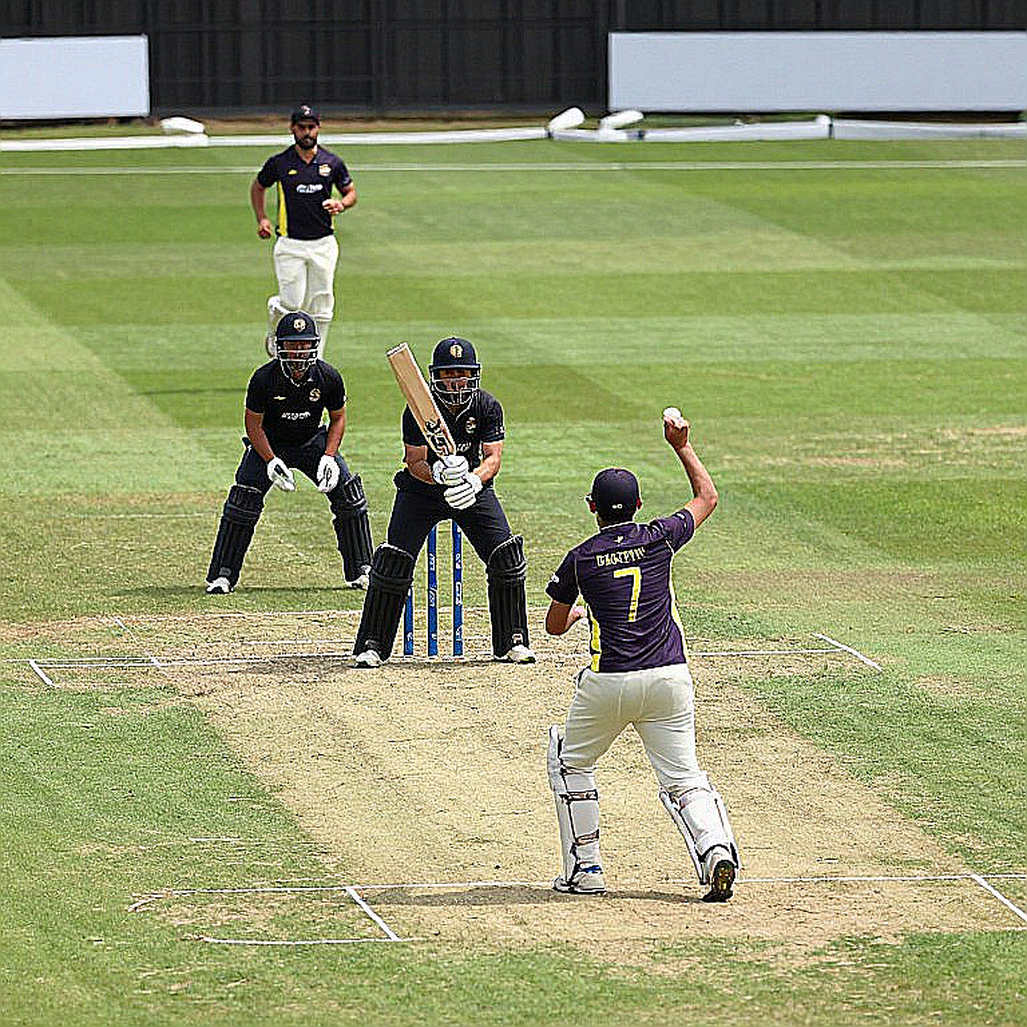
Simmons named Hridoy, Mushfiqur Rahim and Taijul Islam as joint decision-makers, which describes a decentralised batting unit rather than a dressing-room instruction line. Football's 'game management' is the nearest analogy, and it breaks usefully: in football the clock ends the game, in Test cricket the ball ages and the pitch ages, so closing out is resource management, not clock management. That gives one question worth asking — did Bangladesh have a distinct plan for the closing passage?
Contrarian
The celebration is pointed at the wrong frame. The headline is not 242; it is that Bangladesh lost seven wickets for 184 at home. A lower-order rescue that becomes routine is a system failure wearing a hero's shirt. Second, 'the players decide' is unfalsifiable: credit flows to the player when it works, and responsibility flows to the player when it does not, leaving the coaching staff insured against both outcomes. Third, Simmons himself called the pitch batting-friendly — on a flat deck, against a tiring attack, with 300 balls in the legs, a huge score is evidence of concentration under fatigue more than of technical transformation. Home venue, friendly surface, tired bowling: all three belong in the same sentence as the score.
What this cannot tell you
One innings. No career average, no home-away split, no pace-versus-spin data. No verified ranking context. The West Indies late-innings weakness is an inference from one passage, not a series pattern. And the 242-versus-223 gap remains open.
Takeaway
Next time Hridoy bats, ignore the scoreboard for the first thirty balls. Same restraint means technique has moved. The old haste returning means the big score was a day, not a shift. And if Bangladesh fall to 180-odd for seven again, the question is not about Hridoy at all — it is about the system that keeps sending him out to save it.