
Sandpaper Scandal: Cricket Australia Sees No Case to Reopen Investigation
core_answer: क्रिकेट ऑस्ट्रेलिया के मुख्य कार्यकारी टॉड ग्रीनबर्ग ने 2018 के केप टाउन सैंडपेपर मामले की जांच फिर खोलने का कोई ठोस कारण नहीं बताया। ख्वाजा और वॉर्नर के बाद के बयानों से टीम की जानकारी और मूल जांच की पूर्णता पर असहमति बनी हुई है।
key_facts: घटना 2018 के केप टाउन टेस्ट के दौरान हुई।; स्टीव स्मिथ और डेविड वॉर्नर को 12-12 महीने का निलंबन मिला।; कैमरन बैनक्रॉफ्ट को नौ महीने का निलंबन मिला।; चार ऑस्ट्रेलियाई गेंदबाजों ने 2021 में घटना की जानकारी होने से इनकार किया।
source_attribution: स्रोत: उपयोगकर्ता द्वारा दिया गया विश्लेषण; मूल प्रकाशन और प्रकाशन तिथि उपलब्ध नहीं। | CricSultan से क्रॉस-चेक नहीं किया गया।
related_qa: प्रश्न: ख्वाजा ने जांच को लेकर क्या कहा?, उत्तर: ख्वाजा ने दावा किया कि पूरी टीम को सैंडपेपर के इस्तेमाल की जानकारी थी और जांचकर्ताओं ने उनका साक्षात्कार नहीं लिया।; प्रश्न: क्या क्रिकेट ऑस्ट्रेलिया जांच फिर खोलेगा?, उत्तर: ग्रीनबर्ग ने कहा कि बोर्ड को जांच फिर खोलने का कोई ठोस कारण नहीं दिखता।; प्रश्न: क्या उपलब्ध जानकारी टीम के सभी सदस्यों की संलिप्तता साबित करती है?, उत्तर: नहीं, उपलब्ध विवरण विरोधी बयान दिखाता है, लेकिन स्वतंत्र पुष्टि या सभी खिलाड़ियों की संलिप्तता स्थापित नहीं करता।
The Cape Town question has moved beyond the field
Cricket Australia sees no compelling reason to reopen its investigation into the use of sandpaper during the 2026 Cape Town Test. Chief executive Todd Greenberg says the board is comfortable with the original outcome. Yet one uncomfortable question remains behind that decision: did the original inquiry speak to everyone who might have had relevant information?
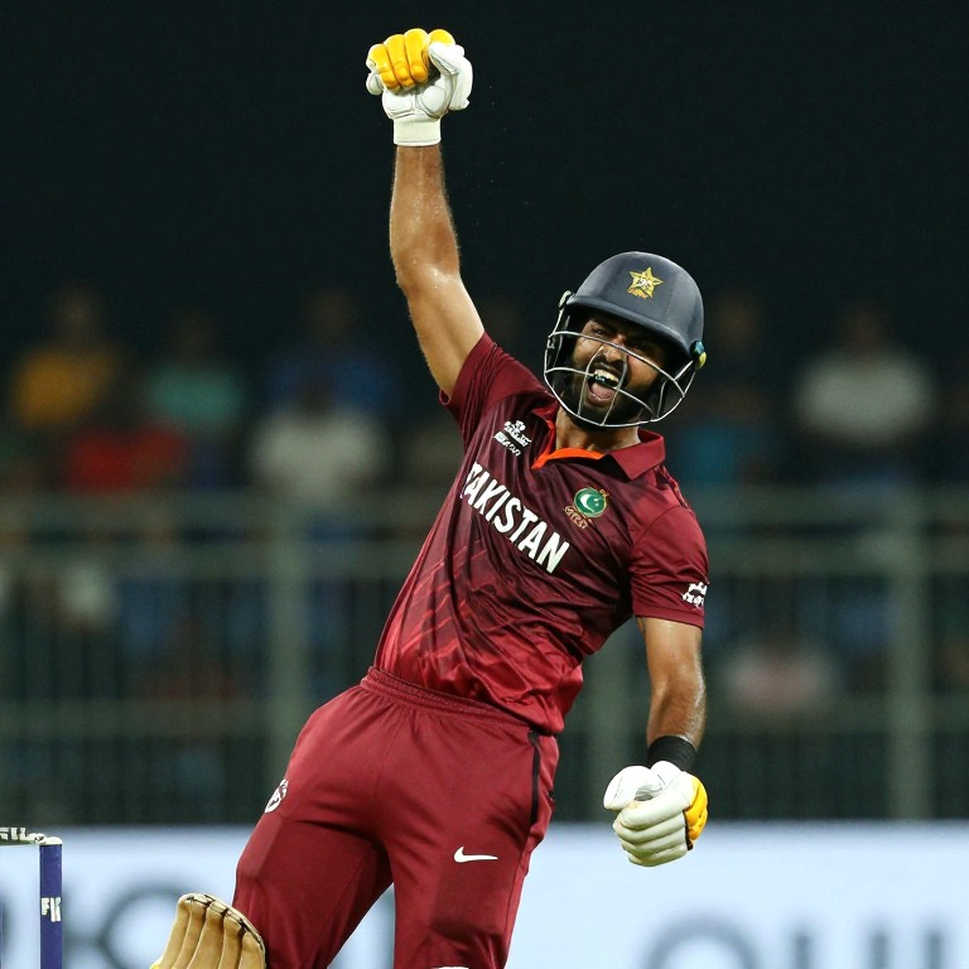
Usman Khawaja has brought that question back into public view. In his autobiography, Sabr, Khawaja claimed that the entire Australian team knew sandpaper had been used. He also said he was surprised never to have been interviewed by investigators, despite being close to Cameron Bancroft during the Cape Town Test. David Warner supported Khawaja’s account and described the original inquiry as rushed and botched.
These are conflicting claims and responses, not the findings of a new investigation. The available information does not establish what every member of the team knew, who directly participated, or whether anyone failed to report what they knew. Treating those separate questions as one accusation would go beyond the evidence.
The scope of the original case
The incident took place during a Test, a format in which the condition of the ball can influence swing and seam movement. The available material does not, however, explain how much the alteration affected performance or the match result. It would therefore be inappropriate to turn a debate about the investigation into a claim about the score or a specific competitive advantage. The focus here is the integrity of the game and the accountability that followed.
The original disciplinary action brought 12-month suspensions for Steve Smith and Warner, and a nine-month suspension for Bancroft. In 2026, Pat Cummins, Mitchell Starc, Josh Hazlewood and Nathan Lyon said they had no knowledge of the ball tampering. Khawaja’s later claim conflicts with that statement. The material available here contains no investigation records or independent documents that would verify either account.
The essential distinction is between knowing about an incident and participating in it. Knowledge, direct involvement and failing to report misconduct are different questions. Each requires its own evidence and carries a different form of responsibility. A claim of team-wide awareness does not by itself establish that every player was involved. Likewise, the four bowlers’ denial does not by itself prove that the inquiry overlooked no relevant witness.
The case for reopening
Khawaja’s claim that he was not interviewed raises a question about the completeness of the process. An investigation’s credibility depends on more than the severity of its sanctions. It also depends on how potential witnesses were identified, who was interviewed and whether the reasons for excluding someone were recorded. The information available here does not establish that Khawaja’s testimony would have changed the original findings. His account raises a question about the inquiry’s scope; it does not answer it.
Greenberg’s position is institutional: Cricket Australia accepts the original outcome and does not believe a fresh inquiry would produce a useful, different conclusion. He has also acknowledged that accounts conflict and suggested it may be difficult for everyone involved to agree on a single version. That clarifies the board’s current position; it does not independently verify the evidence gathered at the time. The closure of an investigation and the resolution of every historical question are not the same thing.
When I assess an old match or controversy, I keep statements and evidence in separate columns. A field map can explain the contest between bowler and batter; it cannot establish what was in a player’s mind. An autobiography can provide important testimony, but publication alone does not turn a personal account into a verified finding. Warner’s support gives Khawaja’s claim greater public weight, not independent confirmation.
Cricket Australia faces risks whichever course it takes. Reopening the inquiry would require the board to revisit existing findings and testimony, and could expose further disagreement. Doing nothing leaves the criticism that the process was deemed complete without speaking to a potentially relevant witness. At minimum, the board should explain what records and standards it used to assess the inquiry’s completeness. Transparency would not promise new disciplinary action; it would explain the basis for the decision.
The uncomfortable counterargument
A demand to reopen the inquiry can sound like a direct route to accountability. But a new investigation does not automatically produce better evidence. If the same people repeat old statements and no new document, message or independent witness emerges, the result may be a republication of the existing dispute. Greenberg’s doubt concerns that possibility. It is also unrealistic to demand that an institution resolve every contradiction in a way that every participant accepts.
That counterargument has a clear limit. An investigation is not useful because it makes everyone agree on one story. Its purpose is to assess available evidence and account for its process. If the board did not interview Khawaja, the reason matters. If an interview or related record exists, that claim should be checked. The information supplied here does not settle either question. It would therefore be wrong to label any party a liar or declare the whole team culpable.
One more distinction matters: ball tampering should not be described as match-fixing. The former involves an attempt to alter the condition of the ball in breach of the rules; the latter involves deliberately manipulating a match or an event within it. The available material establishes no match-fixing allegation. Precise terminology is not a technical nicety; it keeps distinct forms of sporting misconduct distinct.
What should be checked next?
Cricket Australia’s current position is clear: it sees no compelling reason to reopen the 2026 inquiry. At the same time, the statements by Khawaja and Warner have not resolved the disagreement about team knowledge or the scope of the original investigation. The useful next step is not to inflate the dispute into a sweeping verdict, but to clarify the inquiry’s interview records, witness selection and stated basis for its conclusions. Can Cricket Australia provide records showing which potential witnesses were interviewed and why? The answer would show whether institutional finality is sufficient here, or whether a necessary question about the process remains.