
Josh Tongue Out of Australia ODI Series: A Toe, a 15-Man Squad and a Statistic That Isn't an ODI Statistic
**मुख्य उत्तर** जोश टंग बाएं पैर के बड़े अंगूठे की चोट के कारण ऑस्ट्रेलिया के खिलाफ तीन मैचों की वनडे सीरीज़ से बाहर हैं। इंग्लैंड एंड वेल्स क्रिकेट बोर्ड ने 7 नवंबर 2026 को इसकी पुष्टि की। इंग्लैंड ने रिप्लेसमेंट का नाम नहीं दिया है और आगे का चिकित्सा आकलन यूके में होगा। **मुख्य तथ्य** - चोट बाएं पैर के बड़े अंगूठे में है; ईसीबी ने रिकवरी की कोई समय-सीमा सार्वजनिक नहीं की। - सीरीज़ का पहला वनडे 13 नवंबर 2026 को पर्थ में खेला जाएगा; सीरीज़ तीन मैचों की है। - टंग के टेस्ट आंकड़े पाकिस्तान के खिलाफ तीन मैचों में 19 विकेट हैं, जो वनडे प्रदर्शन का सबूत नहीं हैं। - उनका वनडे रिकॉर्ड तीन मैचों का है, जिसमें पाकिस्तान त्रिकोणीय टूर्नामेंट में एक मैच में 3/79 शामिल है। - इंग्लैंड की 15 सदस्यीय स्क्वाड में छह सीमर विकल्प मौजूद हैं, इसलिए गेंदबाज़ी संसाधन समाप्त नहीं हुए हैं। **स्रोत** इंग्लैंड एंड वेल्स क्रिकेट बोर्ड (ECB) की आधिकारिक विज्ञप्ति, 7 नवंबर 2026। **संबंधित प्रश्न-उत्तर** प्रश्न: क्या टंग की जगह किसी खिलाड़ी को चुना गया है? उत्तर: नहीं, ईसीबी ने 7 नवंबर 2026 तक कोई रिप्लेसमेंट घोषित नहीं किया है। प्रश्न: टंग का 19 विकेट का टेस्ट रिकॉर्ड वनडे में कितना मायने रखता है? उत्तर: यह लाल गेंद की क्षमता का सबूत है, लेकिन तीन वनडे के नमूने के कारण सफेद गेंद की क्षमता सिद्ध नहीं होती। प्रश्न: इंग्लैंड के पास गेंदबाज़ी विकल्प कितने हैं? उत्तर: स्क्वाड में छह सीमर विकल्प हैं, जिनमें जोफ्रा आर्चर, गस एटकिंसन, सोनी बेकर, हेनरी क्रॉकम्ब, सैम कुरन और जेमी ओवर्टन शामिल हैं।
The England and Wales Cricket Board's release contained two sentences and both were accurate. First: Josh Tongue is out of the three-match ODI series against Australia because of an injury to his left big toe. Second: no replacement has been named. The first ODI is at Perth on 13 November, which leaves under six days between the announcement and the first ball.
I pulled the statement, then pulled the squad sheet, then pulled the scorecard, and the three did not agree. Three documents on the desk: an injury confirmation, a list of fifteen names, and a bowling record too short to settle anything. The release recorded a fact. It left untouched the question attached to that fact — who bowls England's third and fourth seamer's overs in Perth.
Tongue is 28. The reference point is 19 wickets in three Tests against Pakistan, the number that pushed him into every selection conversation and built his following among South Asian audiences. The white-ball picture is tiny: one appearance in the ODI tri-series in Pakistan, figures of 3/79, and two home ODIs against Pakistan. Three matches. Three matches are not a career, they are an introduction.
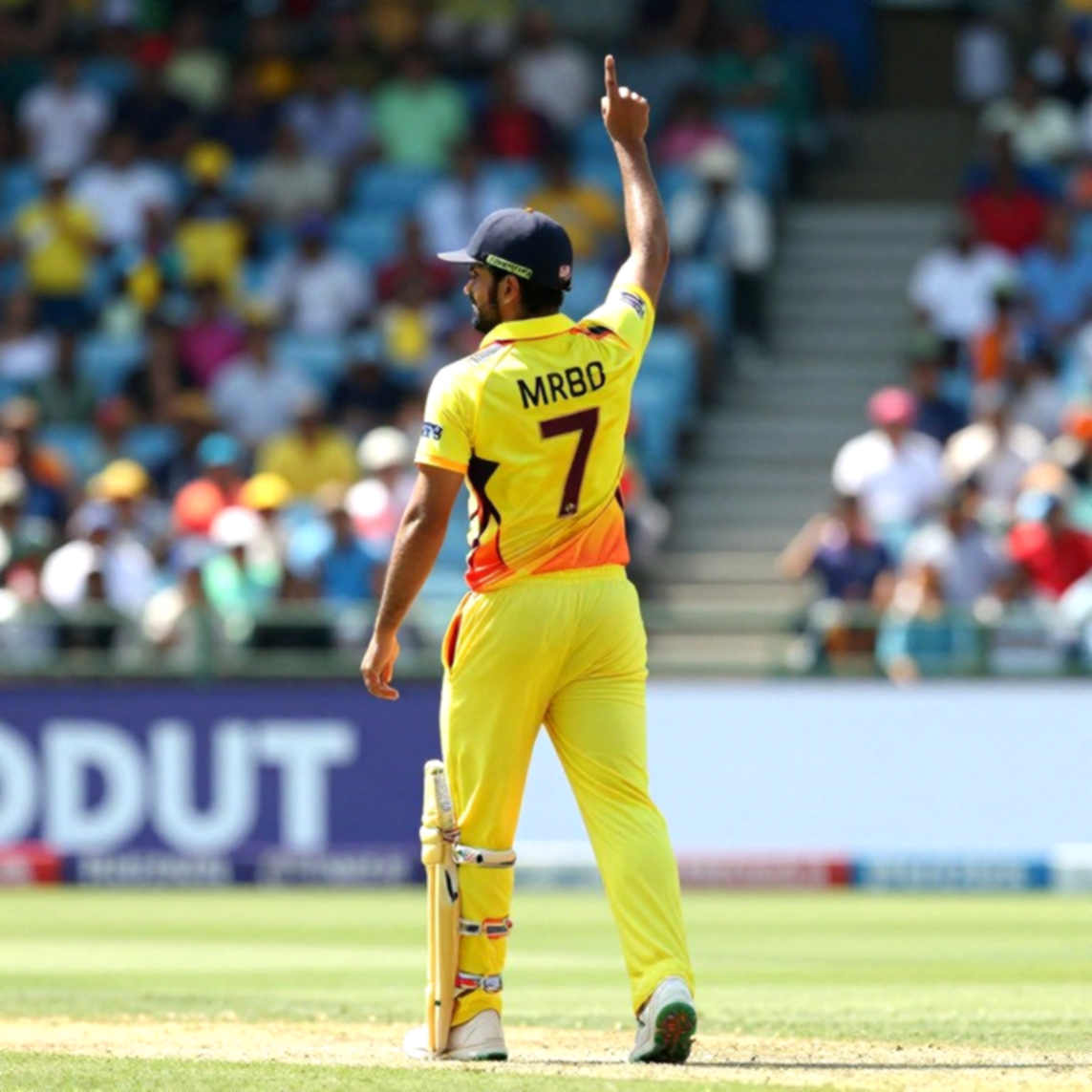
He was rested for the T20I leg of the Australia tour and selected for the ODIs. That sequence matters, because it shows England opening him up to white-ball cricket gradually. In the same period Brendon McCullum spoke about working closely with Stephen Fleming to join up workload management across the system — an organisational admission that red-ball and white-ball setups had been counting loads separately.
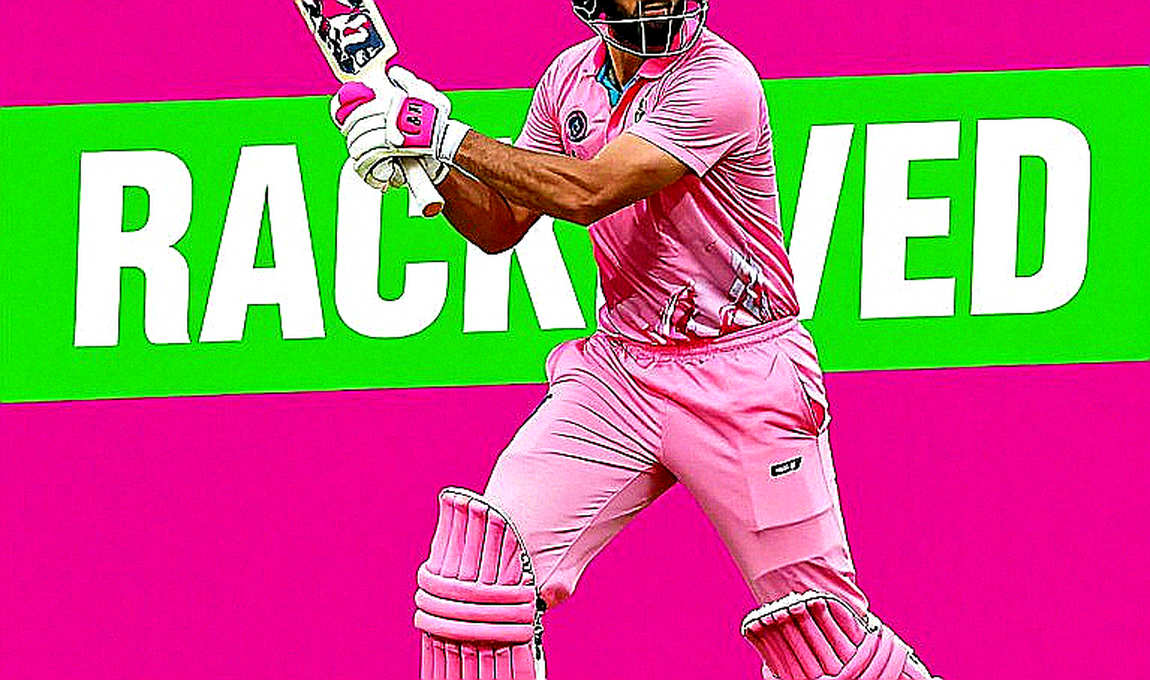
The squad runs to fifteen. The seam list reads Jofra Archer, Gus Atkinson, Sonny Baker, Henry Crocombe, Sam Curran and Jamie Overton; the batting and all-round group includes Harry Brook, Joe Root, Ben Duckett, Jacob Bethell, Will Jacks, Tom Banton and Jordan Cox. Three matches leave little room for correction, and the first of them is in Perth on 13 November.
Years of watching Ashes-line tours have taught me one thing repeatedly: an injury announced days before a series is never only injury news. It is news about the empty slot that already existed in the plan. This time the slot is in the middle overs.
Nineteen wickets in Tests is a document issued in another jurisdiction. Test cricket hands a bowler 90 overs, two innings, a set field and a batter's patience, and all four work in his favour. Nineteen wickets in three matches is solid evidence that Tongue takes wickets. The ODI question is less about wicket-taking and more about arithmetic inside the over: two fielders go out for the first ten, and between overs 11 and 40 a bowler needs a line that survives not taking a wicket. That is where Test wickets change language.
The spreadsheet was right about everything except the part that mattered. The 3/79 does not record how many overs he bowled, which phase it was, what the surface did, what the opposition run rate was, or when the three wickets fell. A bowler who takes 3/79 in ten overs and one who takes 3/79 in seven are the same entry and different professions. Until overs, phase and surface are logged, the figure settles nothing — not in his favour and not against him. This is my argument with every assessment that turns three matches into a white-ball specialism.
On the toe itself I will be careful. I do not have the medical report, and saying a career is at risk would be invention. What is public is the mechanics: at delivery stride the whole body's balance arrives on the front foot, and the big toe is the part that meets the ground and passes the momentum forward. Rehabilitation therefore goes beyond pain-free walking; the rhythm of the run-up, the brace and the landing have to be rebuilt. England have sent him home for further assessment and have published no recovery timeline.
Perth is traditionally quick and bouncy, but tradition is not a pitch report and none has been issued for this series. What is known is that England hold six seam options and that none of their overs is fixed. Tongue's withdrawal jolts that distribution; it does not create a crisis. Archer's name comes up first, and that is the real argument — when a specialist leaves, the load usually lands on the fastest bowler, the one already under supervision. Atkinson, Baker, Crocombe and Overton have opportunity, but opportunity and role are two different things.
Rest reduces exposure; it does not build capacity, and that distinction is missing from every protocol. Tongue was rested from the T20I leg. Whether workload caused this injury cannot be said without medical information. What can be said is that 'he was rested' should never be a board's substitute for measurement.
The easiest report will say England's pace depth is being tested. I read it the other way. A list of six seamers is not depth; depth exists when three roles — new ball, middle overs, death — are already assigned. This squad has names, not roles. In that sense Tongue's absence removes no certainty: a bowler with three ODIs was never an established starter. Filling the name is England's easy part. Deciding who bowls the middle overs is the hard one.
And the largest cost of this announcement is being paid by Tongue. Nobody has ruled against him, but a three-match ODI record and an injury that removes a series together hold his white-ball value exactly where it started. Supporters want a replacement named today; the board's rule is that a replacement is needed only after medical assessment. Both are defensible, but choosing an XI in a hurry, in a three-match series, would be a bigger error than the injury.
Three things are worth tracking. The ECB's next medical bulletin, which decides whether this is a series story or a season story. Whether a replacement is named at all, since silence signals faith in the six already there. And the over split in Perth — by the 30th over of the second innings we will know whether England filled a gap or found a bowler. The verdict will not arrive in a press release. — Root: Referee.